Quick Summary
Neodymium magnets are safe when handled with care, but their extreme strength and brittle structure create five main risks: pinching/crushing injuries, shattering shards, life-threatening ingestion (especially for kids), medical device interference, and flammable dust if drilled.
Always wear gloves and eye protection, slide magnets apart instead of pulling, and store them cool, dry, and away from children, electronics, and pacemakers. If one breaks, secure the area, collect the sharp magnetic fragments with non-metallic tools, and dispose of them as e-waste. Follow these steps and your magnets stay safe and intact for decades.
So you just got your hands on a set of neodymium magnets. And now you’re wondering: are neodymium magnets safe?
Here’s the short answer:
Yes, neodymium magnets are safe to handle—as long as you respect their power and follow a few simple precautions.
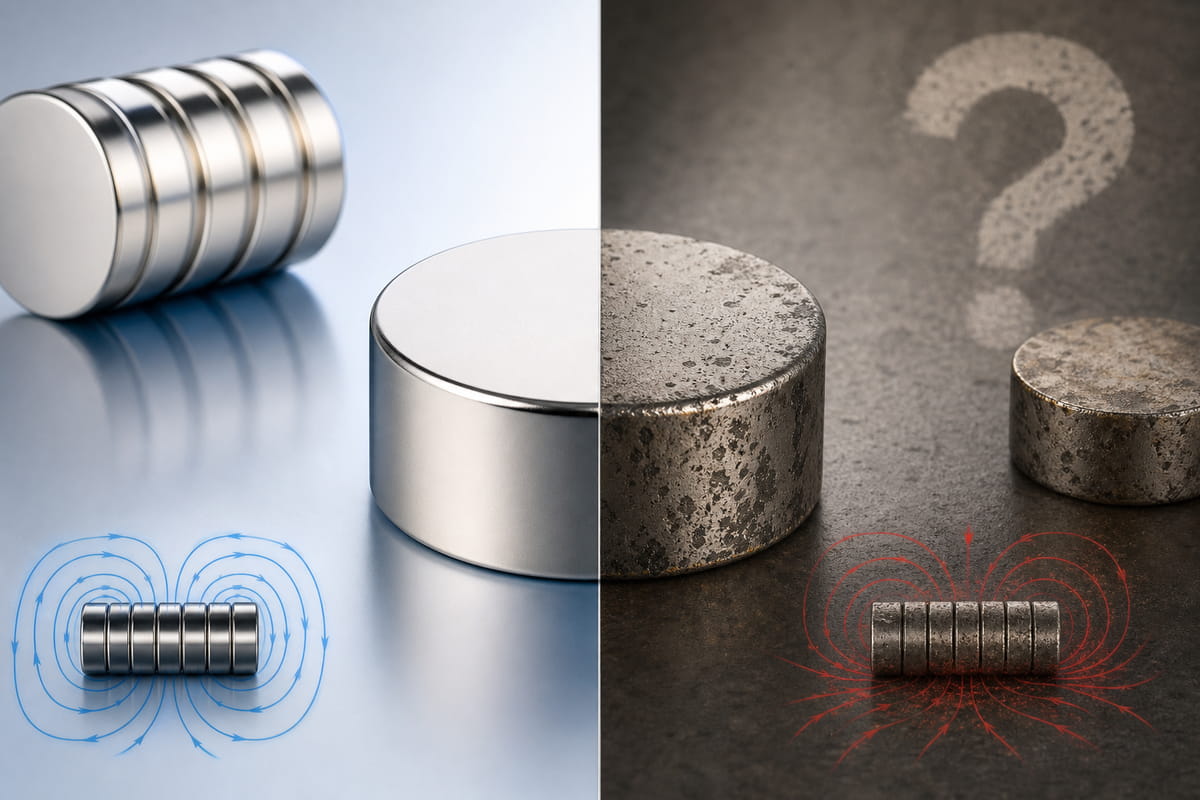
But neodymium magnets are up to 10x stronger than ordinary magnets. And that incredible strength is exactly what makes them both amazing… and potentially dangerous.
In this guide, as a professional neodymium magnets manufacturer, I’m going to break down every safety consideration you need to know. We’ll cover the real risks (pinching, shattering, ingestion), how to handle neodymium magnets like a pro, and what to do if things go wrong.
Sound good? Let’s dive in.
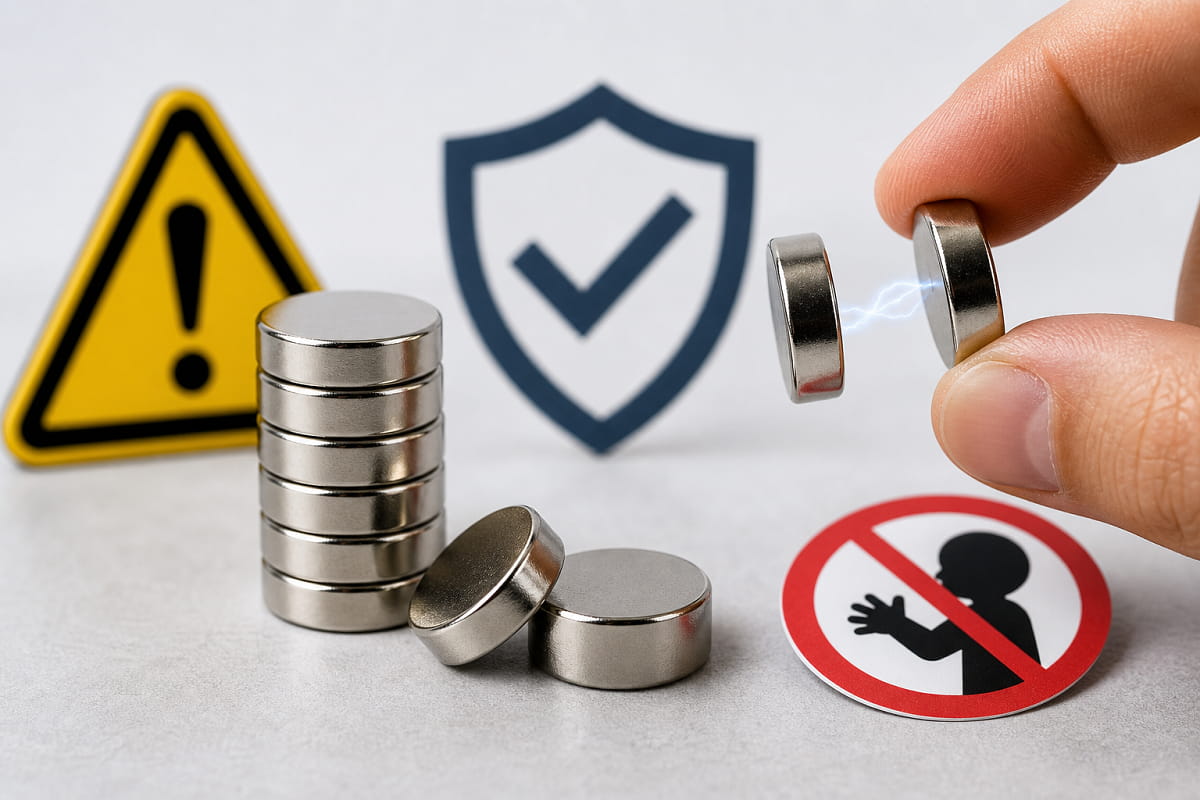
5 Main Safety Risks of Neodymium Magnets
1. Pinching and Crushing Injuries
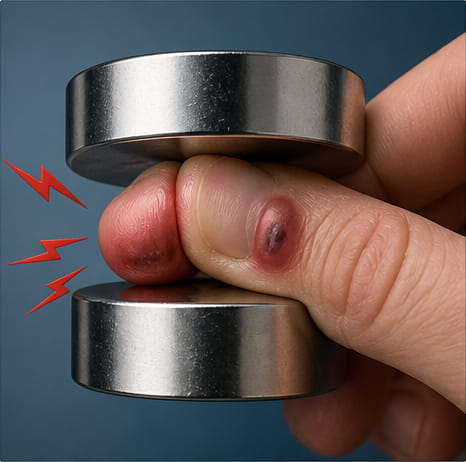
This is the most common way people get hurt.
Here’s what happens: neodymium magnets attract each other from several inches (sometimes several feet) away. And they snap together with shocking force.
If your finger or skin is in the way? You’re looking at a painful pinch, a blood blister, or—with larger magnets—a broken bone.
In fact, magnets larger than about 30 cm³ can exert enough force to crush fingers entirely.
Pro Tip: Always wear thick gloves when handling larger magnets. And never test a magnet’s strength on your own body. (I know it’s tempting. Don’t do it.)
2. Shattering and Flying Shards
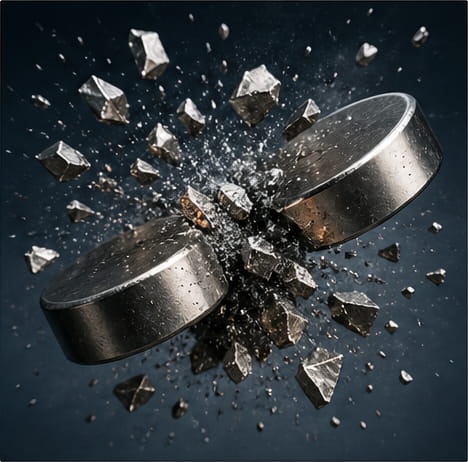
Remember how I said neodymium magnets are brittle?
This is where it matters most.
When two magnets slam together uncontrolled, they don’t just “click” together. They can chip, crack, or completely shatter—launching tiny, razor-sharp fragments into the air at high speeds.
And these shards are sharp as broken glass. Which means they pose a serious eye injury risk.
Here’s a stat that drives this home: according to the U.S. Consumer Product Safety Commission, magnet-related emergency room visits increased 8.5x from 2002 to 2011. Many of those involved broken magnets.
Bottom line? Always wear safety glasses when handling neodymium magnets. And make sure anyone nearby is protected too (or keeping their distance).
3. Ingestion Hazards (The Most Dangerous Risk)

This one is deadly serious. Especially for kids.
If a child swallows two or more magnets—or a magnet and another metal object—the magnets can attract each other through the walls of the intestines.
The result? Severe tissue damage, intestinal perforation, blockage, and infection. This is a life-threatening medical emergency that almost always requires immediate surgery.
The North American Society for Pediatric Gastroenterology, Hepatology, and Nutrition has even advocated for banning the sale of strong magnets because of this risk.
So here’s my rule: keep neodymium magnets completely out of reach of children and pets. No exceptions.
And if you ever suspect a magnet was swallowed, seek emergency medical attention immediately. Make sure you tell the medical staff a magnet may be involved—it directly affects how they treat it.
4. Medical Device Interference
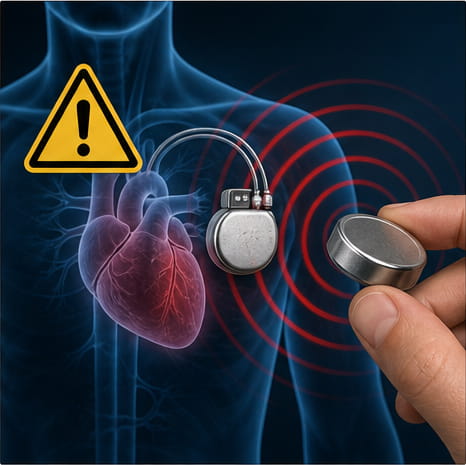
Strong magnetic fields can disrupt or deactivate pacemakers and implantable cardioverter-defibrillators (ICDs).
Many of these devices actually have a built-in feature that switches them off when exposed to a magnetic field. Which means a neodymium magnet could accidentally deactivate a life-saving device.
If you or anyone in your home has an implanted medical device, keep an absolute distance from these magnets. And warn guests about their presence too.
5. Fire and Flammability

Here’s something most people don’t realize:
If you drill, grind, or machine a neodymium magnet, the resulting dust is highly flammable.
It can combust easily. Plus, the heat from drilling will permanently demagnetize the magnet anyway.
So if you need a hole in your magnet? Don’t DIY it. Buy a ready-made countersunk magnet instead.
How to Handle Neodymium Magnets Safely
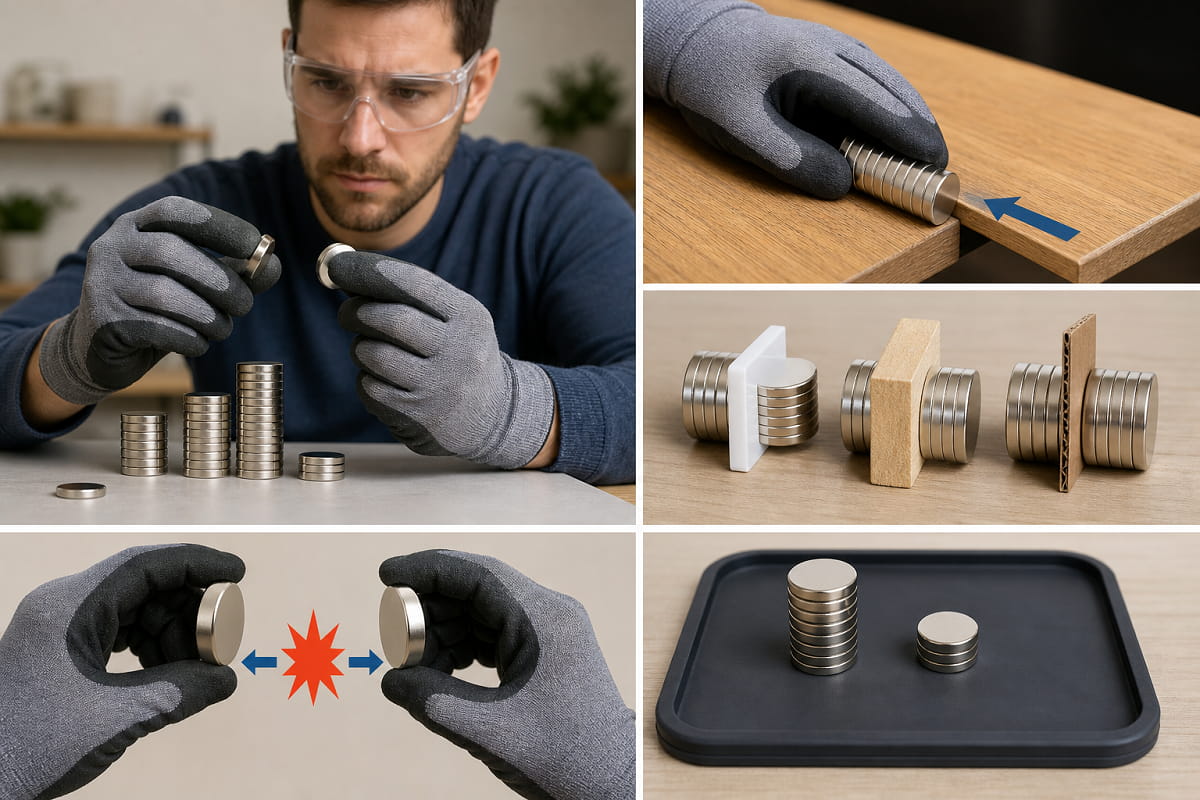
Now that you know the risks, let me show you exactly how to handle these magnets the right way.
Here’s my personal checklist:
- Wear eye protection and gloves. Every single time. Safety goggles guard against shattering, and gloves protect against pinches and cuts.
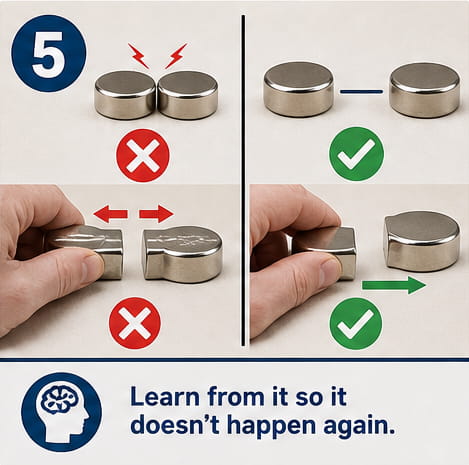
- Slide, don’t pull. When separating stacked magnets, slide one off the edge of a table rather than yanking it straight off. This is the single best technique for avoiding injury.
- Use non-metallic separators. Plastic, wood, or cardboard spacers (sometimes called “keepers”) prevent magnets from slamming together.
- Keep your hands far apart. If you’re holding a magnet in each hand, remember they can leap together instantly.
- Work on a non-magnetic surface. This stops magnets from sliding around unexpectedly.
These small habits make a massive difference. I promise.
Proper Storage Matters More Than You Think
Handling is only half the battle. How you store your magnets matters too.
Here’s what I recommend:
Control the Temperature

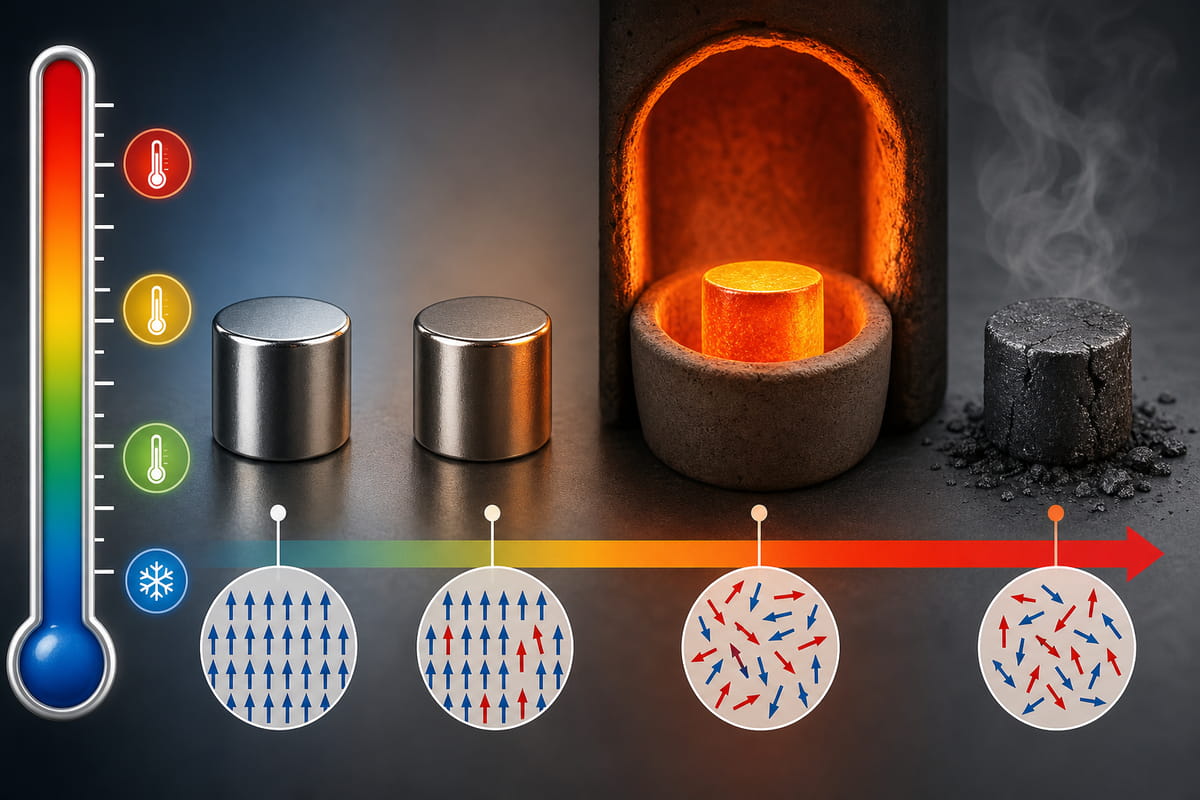
Standard neodymium magnets (the “N” grade) start to lose their power permanently above 80°C (176°F). If you need heat resistance, look for high-temperature grades (H, SH, UH) that withstand up to 200°C.
Control the Humidity
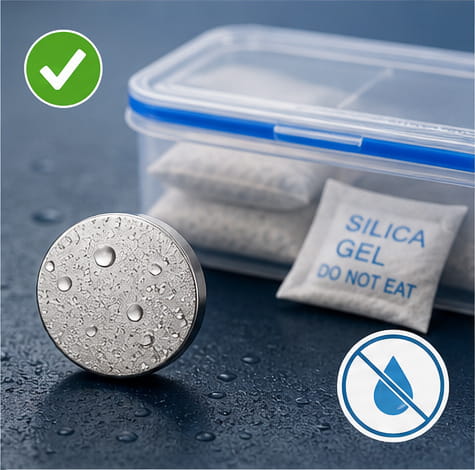
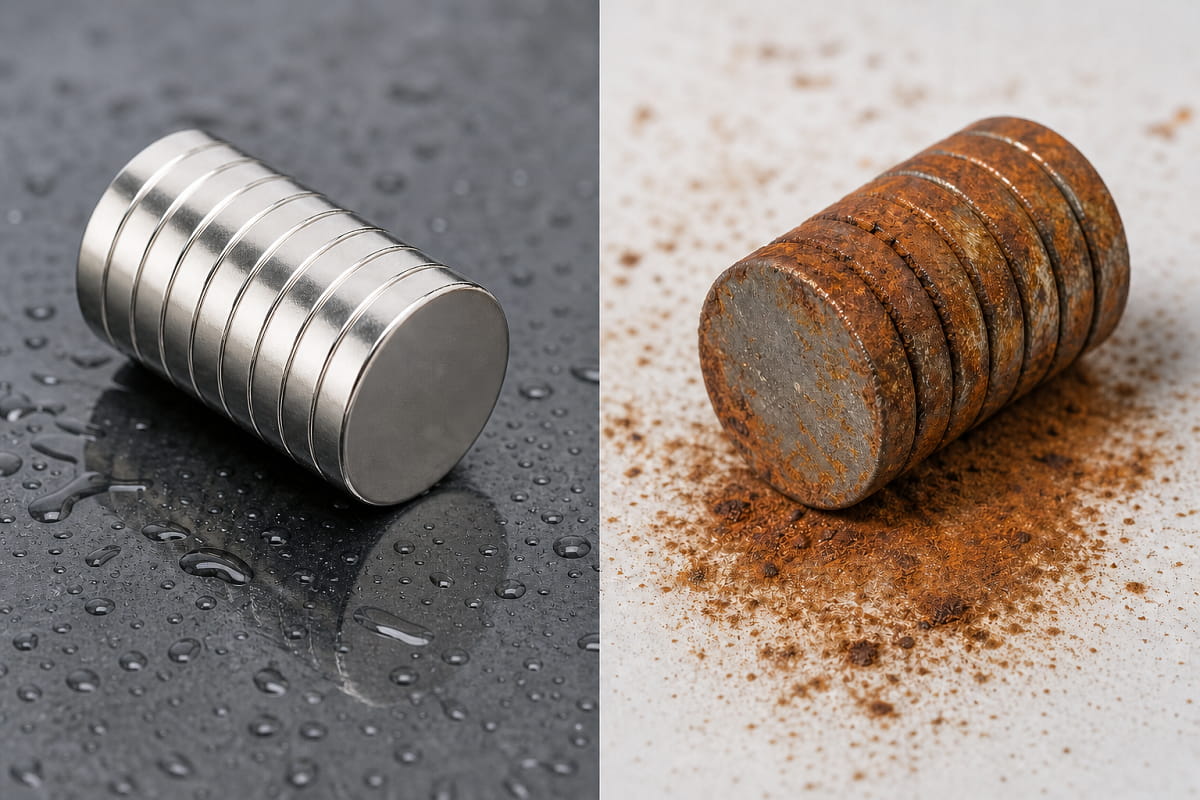
Neodymium rusts fast. Most magnets come with a nickel-copper-nickel coating for protection, but they’re not waterproof. If the coating gets damaged, the magnet can corrode and crumble into powder. For underwater or outdoor use, choose sealed or plastic-coated magnets.
Separate Different Magnet Types
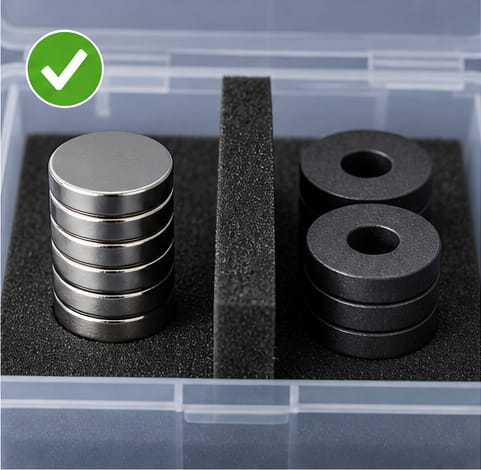
When you store neodymium magnets near magnets made of different alloys (like ceramic), you risk demagnetization. Always keep a buffer between them.
Keep Them Away from Electronics

Store magnets far from hard drives, credit cards, and magnetic media.
What About Electronics and Everyday Items?
A lot of people ask me whether a neodymium magnet will fry their phone or wipe their laptop.
A strong magnetic field can permanently damage certain things. The biggest danger is to laptops with older HDD hard drives—a magnet can erase data or wreck the drive’s mechanics. SSDs and flash memory are much safer, but I still recommend keeping a distance of at least 10-20 cm from all electronics.
Other items that don’t play well with strong magnets:
- The magnetic stripe on credit cards, hotel keys, and parking tickets (these get wiped instantly)
- Mechanical watches (the field magnetizes the hairspring, causing it to speed up or stop)
- Older CRT monitors and televisions (permanent image distortion)
- Hearing aids (can squeal or get damaged)
- Compasses and GPS devices (the field interferes with navigation)
That last point is actually why neodymium magnets are usually shipped by ground rather than air—their magnetic fields can interfere with aircraft navigation instruments.
What to Do If a Neodymium Magnet Breaks
Even with the best precautions, accidents happen. So here’s exactly what to do if one shatters:
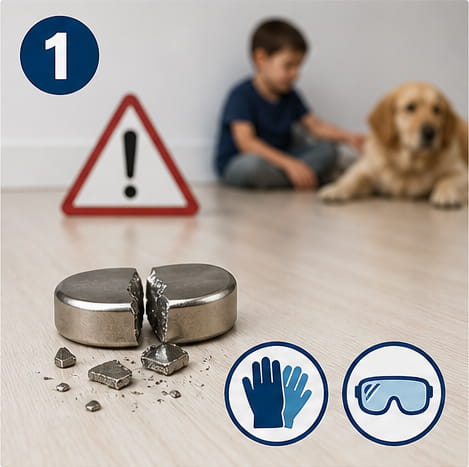
Step 1: Secure the area. Get children and pets away. Put on gloves and goggles before you touch anything.
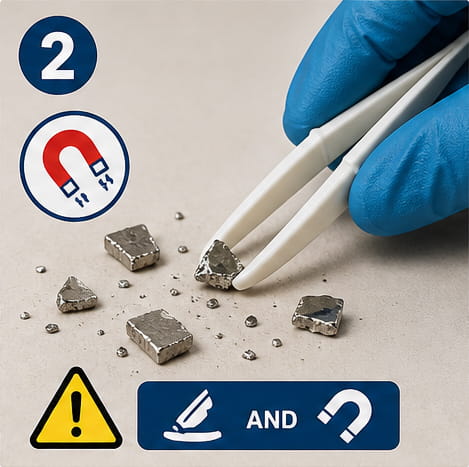
Step 2: Collect the pieces carefully. Use a non-metallic tool like plastic tweezers. Remember, the fragments are still sharp AND still magnetic.
Step 3: Isolate the fragments. Place them in a sturdy, non-metallic container. Label it clearly: “Broken Neodymium Magnet – Sharp and Magnetic.”
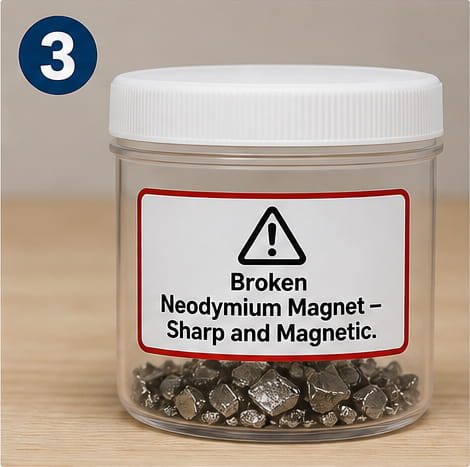
Step 4: Dispose of them properly. Don’t toss them in the regular trash. Neodymium magnets contain rare earth elements. Take them to an e-waste collection point or a non-ferrous metal scrap yard.

Step 5: Figure out what went wrong. Was the magnet stored too close to another? Did you pull instead of slide? Learn from it so it doesn’t happen again.
A Quick Word on Skin Contact and Allergies
I get this question a lot: “Are they safe for long-term skin contact?”
For most people, brief skin contact is fine.
But here’s the catch: most neodymium magnets have a nickel coating. And a small percentage of people are allergic to nickel. Prolonged contact can cause redness or a skin rash.
If you plan to wear a magnet close to your body (like in jewelry), go with rubber-coated or plastic-coated magnets, which are hypoallergenic.
My Final Take
Are neodymium magnets safe? Absolutely—when you treat them with the respect they deserve.
These magnets aren’t toys, and they aren’t something to be afraid of either. They’re powerful tools that power much of modern life. The key is understanding their unique characteristics: incredible strength paired with brittleness.
So here’s my advice as someone who’s handled plenty of these:
Wear your gloves and goggles. Slide your magnets apart instead of pulling. Store them in a cool, dry place away from electronics and medical devices. And—above all—keep them far, far away from children.
Follow those simple steps, and your neodymium magnets will stay safe, strong, and intact for decades.
The bottom line? Neodymium magnets are safe as long as you handle them with knowledge and care. Respect the power, follow the precautions, and you’ve got nothing to worry about.