
EV Motor Magnets for Electric Vehicle Drive Systems
Osenc Magnets manufactures high-performance neodymium magnets for electric vehicle motors, hybrid drive systems, electric power steering systems, and advanced automotive applications.
Our custom sintered NdFeB magnets are engineered for high torque density, compact motor designs, thermal stability, and long-term magnetic performance in demanding EV operating environments.
Neodymium Magnets for EV Motors
Electric vehicle motors require high-performance permanent magnets capable of delivering strong magnetic fields, compact motor structures, and stable performance under elevated operating temperatures.
Neodymium iron boron (NdFeB) magnets are widely used in permanent magnet synchronous motors (PMSM) and brushless DC motors because of their high magnetic energy density and excellent efficiency characteristics.

Advantages of NdFeB Magnets in EV Motors
High Magnetic Energy Density
NdFeB magnets provide high remanence and strong magnetic flux density, enabling compact motor designs with high power output.
Improved Torque Density
High-performance magnets support increased torque output while reducing overall motor size and weight.
High Motor Efficiency
Permanent magnet motor systems improve energy conversion efficiency and reduce power losses.
Compact Motor Design
Strong magnetic performance allows engineers to design smaller and lighter EV drive systems.
Reduced Mechanical Complexity
Permanent magnet motors reduce the need for additional excitation systems compared with traditional motor designs.

Common EV Motor Magnet Types
Arc Magnets
Arc and segment magnets are commonly used in rotor assemblies for permanent magnet motors.
Features
- Curved Geometry
- Radial Magnetization
- High Flux Density
- Precision Rotor Integration

Segment Magnets
Segment magnets are used in high-efficiency traction motors requiring optimized magnetic field distribution.
Features
- Multi-Pole Configurations
- Tight Tolerance Geometry
- Optimized Rotor Performance

Ring Magnets
Ring magnets may be used in compact motor systems and auxiliary EV components.
Features
- Multipole Magnetization
- Compact Structure
- Precision Magnetic Field Control

Typical EV Applications

EV Traction Motors
High-performance NdFeB magnets for main electric drive motors.

Electric Power Steering Systems
Compact magnets for precision steering motor systems.

Electric Compressors
Permanent magnets used in electric air conditioning compressor motors.

Auxiliary Motor Systems
Magnets for pumps, cooling systems, and secondary drive applications.

Hybrid Vehicle Motors
High-temperature magnets for hybrid electric vehicle systems.
High Temperature Magnet Grades for EV Motors
Electric vehicle motors often operate under elevated temperatures and dynamic load conditions.
Osenc Magnets supplies high-temperature NdFeB grades engineered for thermal stability and demagnetization resistance.
Temperature Grade Comparison
| Grade Type | Max Operating Temperature |
|---|---|
| H | 120°C |
| SH | 150°C |
| UH | 180°C |
| EH | 200°C |
Key Performance Factors
- High Coercivity
- Thermal Stability
- Demagnetization Resistance
- Long-Term Reliability

Typical EV Operating Requirements
- High-Speed Rotation
- Thermal Cycling
- Continuous Load Conditions
- Compact Space Constraints

EV Motor Magnetization Methods
Radial Magnetization
Radial magnetization is commonly used in rotor assemblies to generate rotational magnetic fields.
Multipole Magnetization
Multiple magnetic poles are distributed around the rotor to optimize motor efficiency and torque output.
Precision Magnetization Control
Osenc Magnets supports custom magnetization tooling and multi-pole magnetization for advanced EV motor applications.

Magnetic Field & Motor Efficiency
The magnetic force generated by NdFeB magnets contributes directly to motor torque and efficiency.
Simplified Magnetic Force Relationship

Engineering Considerations
- Flux Density
- Rotor Geometry
- Air Gap
- Pole Configuration
- Thermal Management

Surface Coatings for Automotive Environments
EV motor magnets may be exposed to moisture, temperature cycling, vibration, and corrosive environments.
Common Coatings
| Coating | Corrosion Resistance | Typical Use |
|---|---|---|
| NiCuNi | Medium | Standard Motor Systems |
| Epoxy | High | Humid Environments |
| PTFE | High | Specialized Applications |
Coating Benefits
- Corrosion Protection
- Environmental Durability
- Improved Surface Stability
- Long-Term Reliability

Precision Manufacturing for EV Magnets
Osenc Magnets provides precision machining and inspection for EV motor magnet production.
Manufacturing Capabilities
- Arc Magnet Machining
- Precision Grinding
- Tight Tolerance Processing
- Multi-Pole Magnetization
- Surface Coating
- Batch Traceability

Tolerance Capability
Precision tolerances up to ±0.03mm depending on geometry and application requirements.
Quality Inspection
- Magnetic Flux Testing
- Dimensional Inspection
- Coating Thickness Inspection
- Pull Force Testing
- Thermal Stability Verification

Materials & Magnetic Properties
Typical Magnetic Properties
| Property | Typical Range |
|---|---|
| Remanence (Br) | 1.17–1.45T |
| Coercivity (Hcj) | 955–2388kA/m |
| Maximum Energy Product (BHmax) | 33–53MGOe |
Common EV Magnet Grades
- N42SH
- N48SH
- N50UH
- N52UH
Why EV Manufacturers Use NdFeB Magnets
High Power Density
Compact motors with strong output performance.
Energy Efficiency
Reduced energy losses compared with conventional systems.
Lightweight Design
Smaller and lighter motor assemblies for vehicle efficiency improvement.
Long-Term Reliability
Stable magnetic performance under continuous operating conditions.
OEM & Custom EV Magnet Manufacturing
Osenc Magnets supports OEM and custom magnet manufacturing for electric vehicle systems.
Customization Options
Custom Shapes
- Arc Magnets
- Segment Magnets
- Ring Magnets
- Custom Rotor Geometries

Custom Magnetization
- Radial
- Multipole
- Axial

Custom Coatings
- Epoxy
- PTFE
- NiCuNi

Engineering Support
- Rotor Magnet Optimization
- Thermal Performance Analysis
- Prototype Development
- OEM Production Support

Related Technical Resources

Magnet Grades Guide
Compare high-temperature NdFeB grades for EV applications.
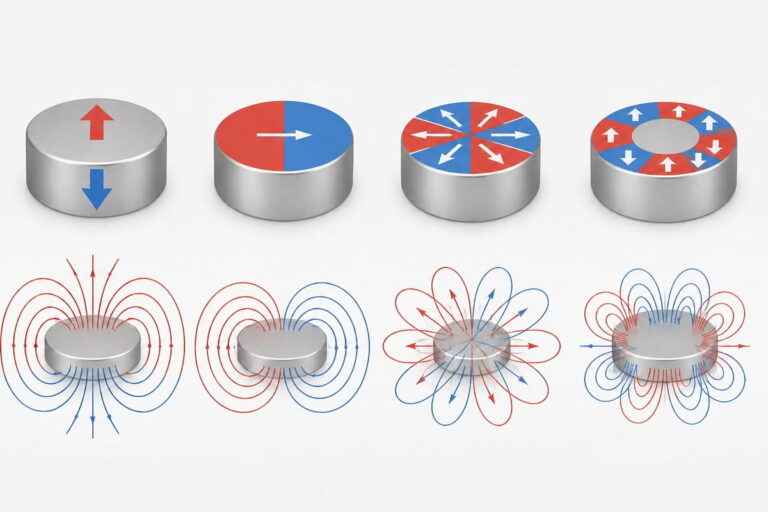
Magnetization Direction Guide
Learn about radial and multipole magnetization methods.

Pull Force Guide
Understand magnetic force and magnetic circuit considerations.
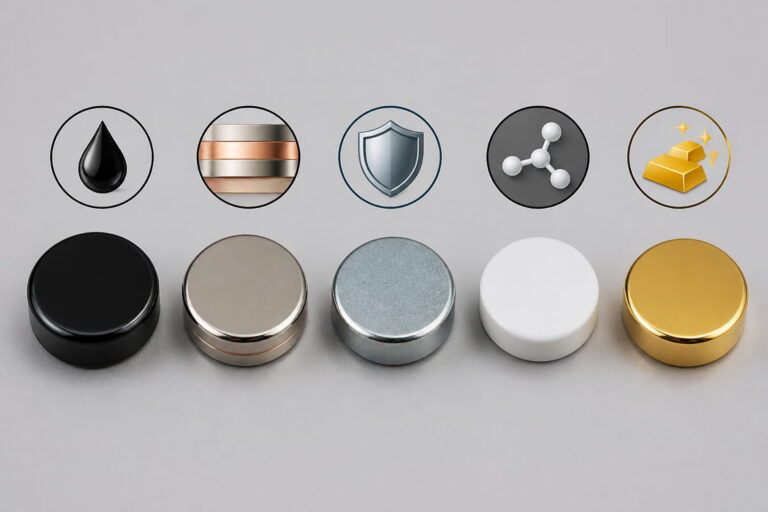
Magnet Coating Guide
Compare coating performance in automotive environments.
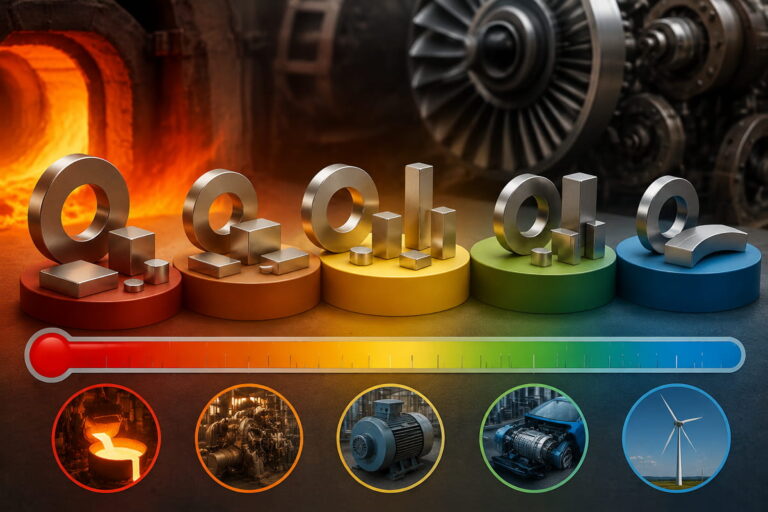
Temperature Resistance Guide
Select appropriate grades for high-temperature motor systems.
Frequently Asked Questions
NdFeB permanent magnets are widely used in permanent magnet synchronous motors and brushless DC motors.
They provide high magnetic strength, compact size, improved motor efficiency, and high torque density.
Radial and multipole magnetization are commonly used for rotor assemblies.
H, SH, UH, and EH grades are commonly selected for elevated operating temperatures.
Yes. Osenc Magnets supports custom shapes, coatings, tolerances, and magnetization configurations.
Epoxy and specialized corrosion-resistant coatings are commonly used in demanding environments.
Custom NdFeB Magnets for Electric Vehicle Motor Systems
Request engineering consultation, prototype support, or custom manufacturing quotations for EV motor magnet applications.