Quick Summary
Neodymium magnets power electric motors, renewable energy systems, medical and audio equipment, and compact electronics—plus everyday gear like clasps, sensors, and doorstops.
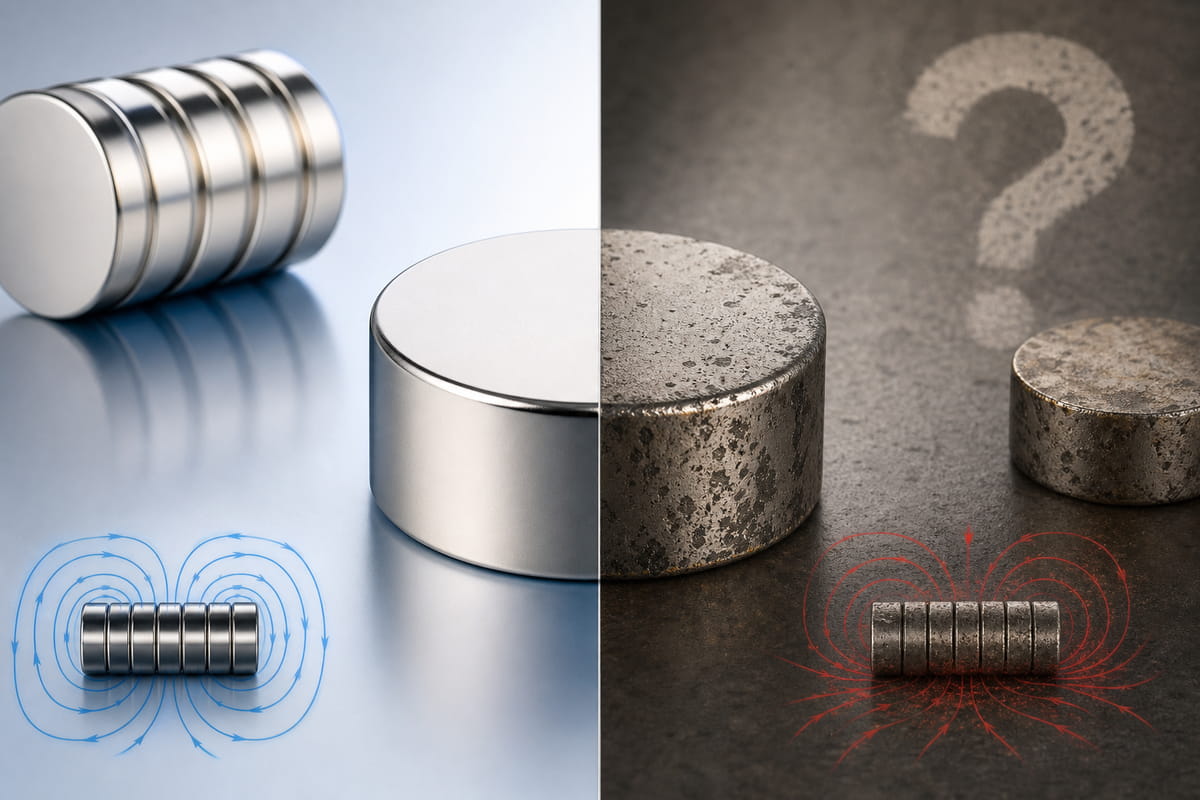
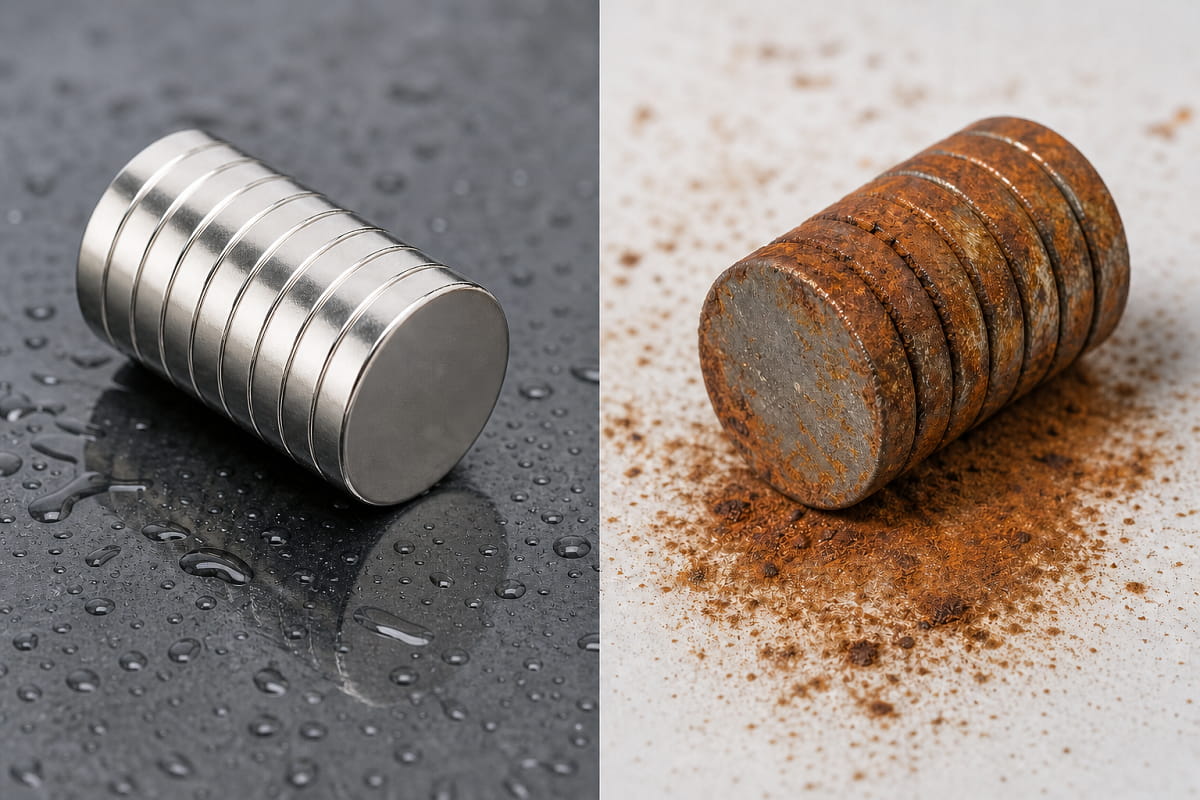
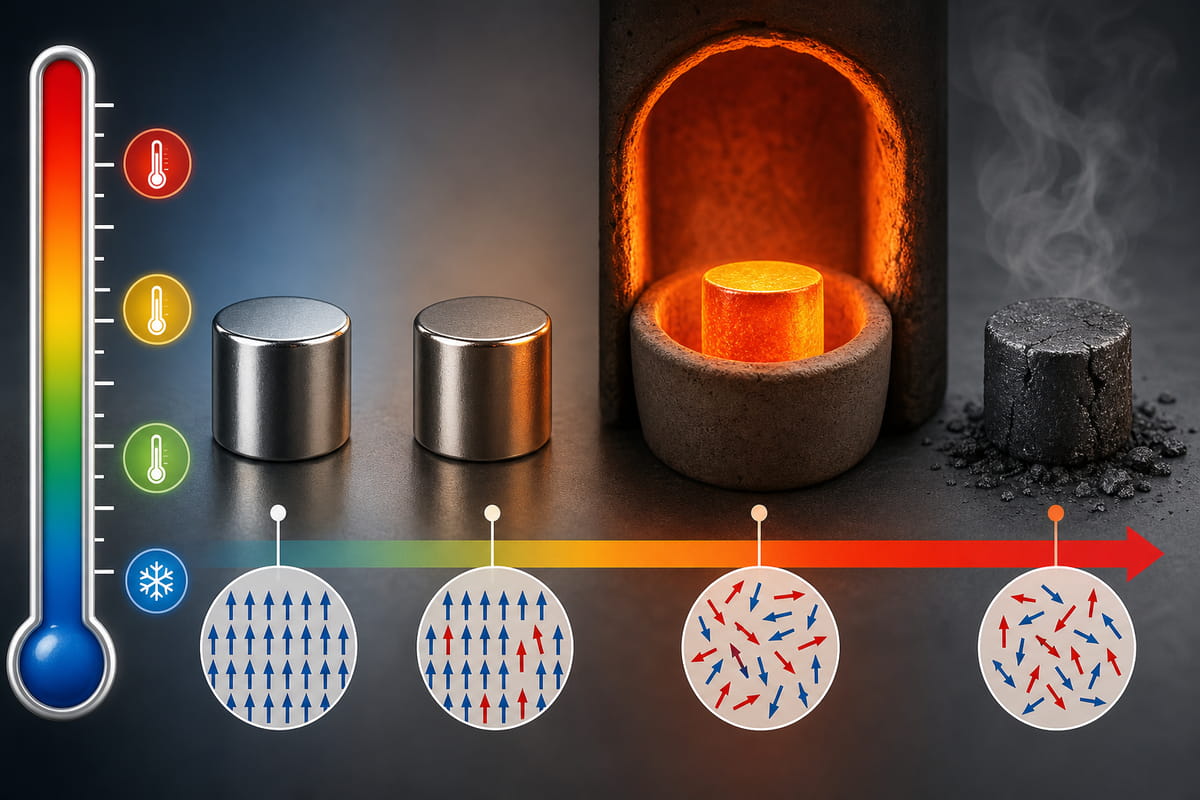
They deliver the best price-to-performance ratio of any permanent magnet, but two weaknesses matter: standard grades lose power above 80°C (choose SH/UH/EH grades for heat), and they corrode without nickel, zinc, copper, or epoxy coatings. For maximum strength in a compact space, they’re usually the best option—otherwise, ceramic magnets may be more cost-effective.
Today, as a professional neodymium magnets manufacturer, I’m going to show you exactly what neodymium magnets are used for—from the smartphone in your pocket to the wind turbines powering entire cities.
These tiny powerhouses are everywhere. And once you understand where they show up (and why), you’ll start noticing them in places you’d never expect.
So if you’ve ever wondered how a magnet smaller than a coin can lift 1,300x its own weight… or why electric cars rely on them so heavily… you’re in the right place.
Let’s dive in.

What Are Neodymium Magnets Used For?
Neodymium magnets are primarily used to power electric motors, generate renewable energy, build precise medical and audio equipment, and shrink down our electronic devices.
But that barely scratches the surface.
To make this easy to follow, I’ve broken their uses down into six main categories. Let’s go through them one by one.
1. Everyday Electronics and Technology
You’re probably using a neodymium magnet right now without even knowing it.
I’m serious.
Take a look at the device you’re reading this on. Chances are it’s packed with these magnets.
Here’s where they show up in your daily life:
Audio Equipment

Headphones, microphones, and high-fidelity speakers all rely on neodymium magnets to drive their acoustic coils. The strong magnetic field delivers crisp, accurate sound—which is why audio engineers love them for music recording and broadcasting.
Smartphones
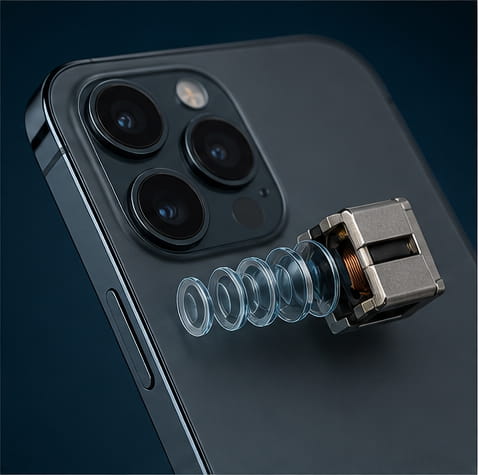
Your phone uses these magnets in the camera’s autofocus actuators and the little vibration motor that buzzes when you get a text.
Hard Disk Drives
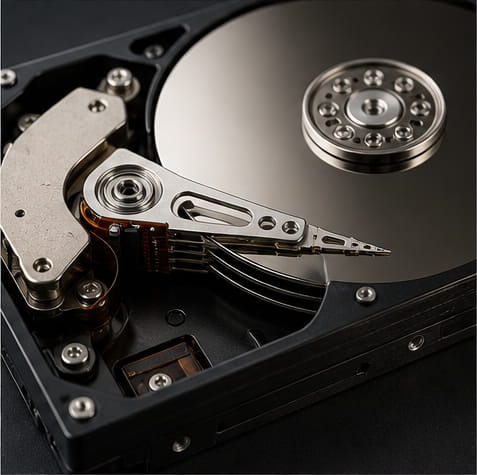
The data on a traditional hard drive is stored using magnetized cells. Neodymium magnets help position the read/write heads with incredible precision.
Smartwatches and Wearables

Those satisfying magnetic clasps? Yep, neodymium.
Here’s why this matters:
The compact size of these magnets lets engineers design smaller, more efficient devices without sacrificing quality. That’s a huge deal in a world where everyone wants thinner phones and lighter gadgets.
Pro Tip: Next time your laptop goes to sleep when you close the lid, thank a magnet. Many laptops use a tiny reed switch triggered by a neodymium magnet to detect when the lid is shut.
2. Automotive and Heavy Industry
This is where neodymium magnets really flex their muscles.
Electric Vehicles (EVs)
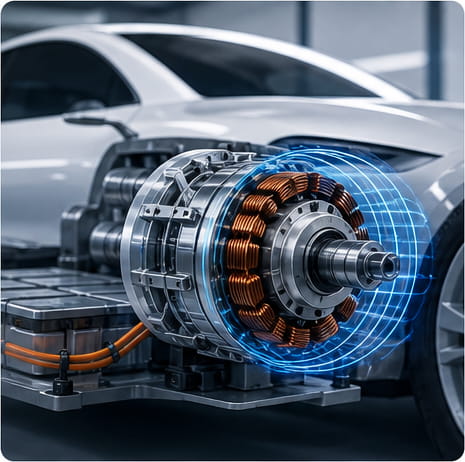
This is probably the biggest growth area for these magnets in 2026. EV and hybrid drivetrains depend on neodymium magnets to power both the traction motors and the regenerative braking systems.
In a typical EV motor, the magnets create a magnetic field that interacts with the stator windings. This causes the rotor to spin—which ultimately drives the car forward.
No neodymium, no Tesla. It’s that simple.
Anti-Lock Brake Sensors
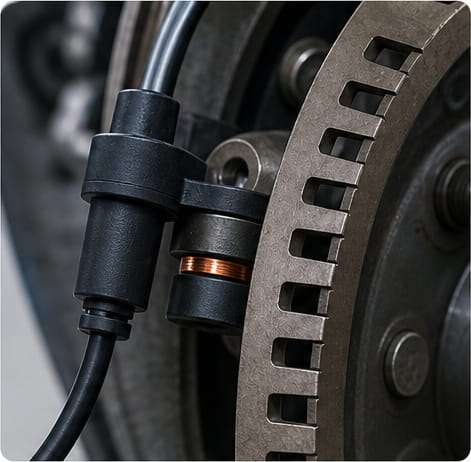
These magnets sit inside copper coils in your brake sensors. As the sensor ring’s teeth pass by, they change the magnetic field’s polarity and generate a signal that tells your car how fast each wheel is spinning.
Industrial Manufacturing
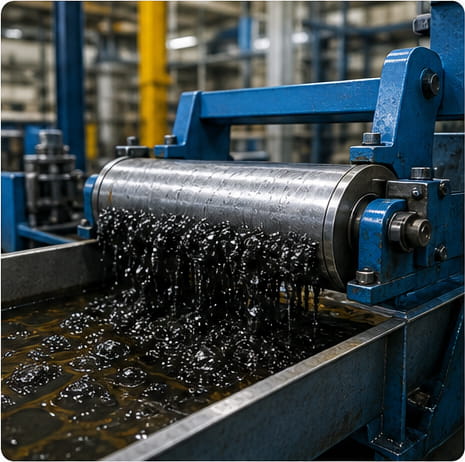
Factories use heavy-duty magnetic separators to pull tramp iron and metal shavings out of oils and processing lines. This keeps products clean and machinery safe.
Robotics and Automation

Need compact, high-torque holding power on an automated assembly line? Neodymium magnets deliver exactly that.
Let me give you a real-world example.
Companies like Walmag use neodymium magnets to build load-lifting magnets for material handling. Their smallest model weighs just 3 kg… but can officially lift loads up to 150 kg.
That’s roughly 50x the magnet’s own weight.
(And here’s a safety note worth mentioning: lifting magnets are legally required to be at least 3x stronger than their stated maximum capacity. Better safe than sorry.)
3. Renewable Energy and Infrastructure
If you care about clean energy, neodymium magnets are your friend.
Wind Turbines

Modern wind turbines use permanent-magnet generators packed with neodymium. These magnets significantly boost energy conversion efficiency—meaning you get more electricity from the same amount of wind.
Hydropower, Tidal, and Wave Energy

These systems also use neodymium magnets to optimize performance and squeeze out every bit of efficiency.
Here’s the thing:
As the world shifts away from fossil fuels, demand for these magnets keeps climbing. They’re a fundamental building block of the green energy transition.
And that demand isn’t slowing down anytime soon.
4. Medical and Scientific Equipment
This category fascinates me.
MRI Machines
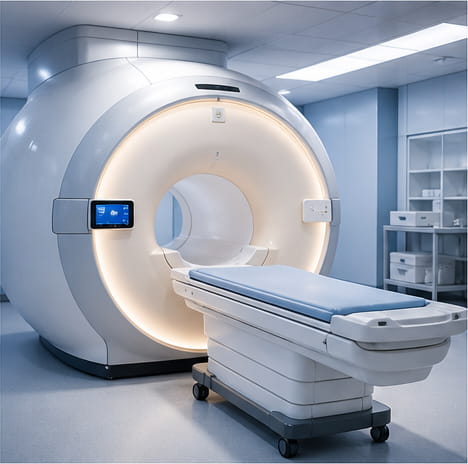
Magnetic Resonance Imaging machines need intense, stable magnetic fields to create those detailed images of your internal organs. Neodymium magnets help generate exactly that.
Hearing Aids
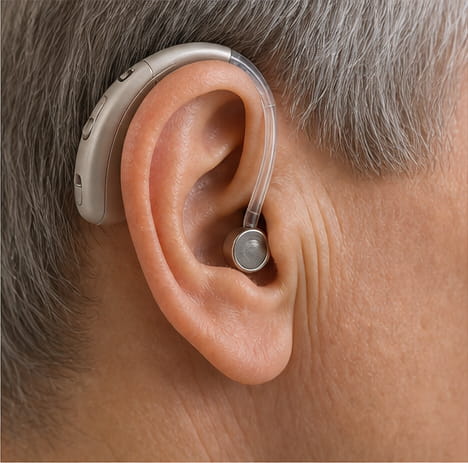
Many modern hearing aids use magnetic coupling to transmit sound vibrations directly to the inner ear.
Sensors and Reed Switches
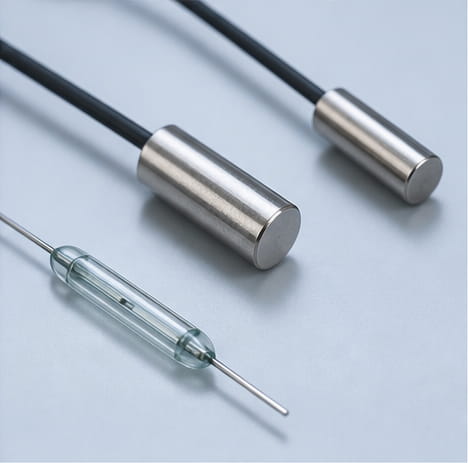
Actuators and reed switch triggers rely on the precise magnetic control these magnets provide.
But it gets even more interesting.
Researchers are exploring neodymium magnets for cutting-edge treatments. There’s research on using them to guide iron-containing nanoparticles toward tumors, allowing chemotherapy drugs to be delivered with pinpoint accuracy.
Scientists have even used them in dentistry—to slowly draw out fractured tooth roots over 9 to 12 weeks so they can be rebuilt.
(One important caveat: anyone with a pacemaker or defibrillator needs to keep their distance. A magnetic field of just 10 gauss can interfere with these implanted devices. So this is one area where caution is absolutely critical.)
5. Manufacturing, Separation, and Engineering
I touched on this earlier, but it deserves its own section because it’s so widespread.
Magnetic Separation Conveyors
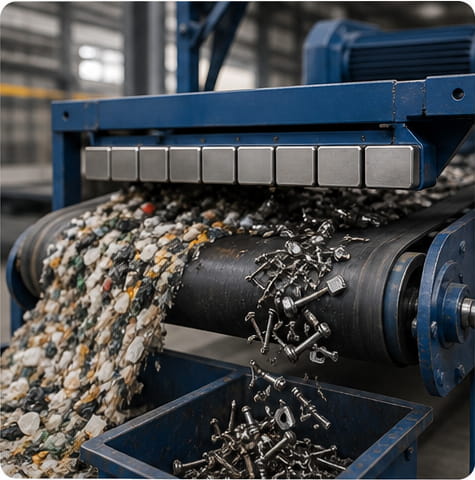
Picture a conveyor belt lined with neodymium magnets. Non-magnetic materials fall off the end, while ferromagnetic metals get pulled in and collected. This is huge in recycling, mining, and food processing.
Water Treatment
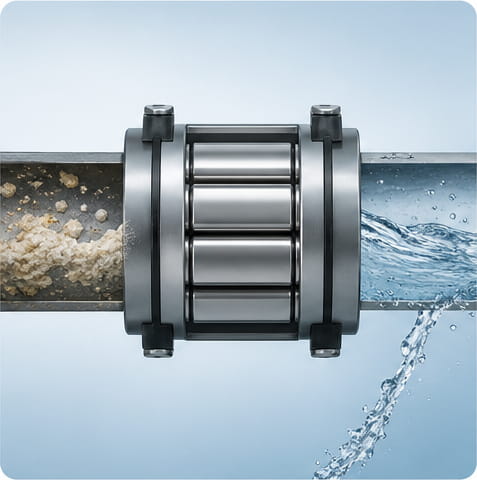
Some systems use neodymium magnets to reduce scale buildup from hard water. The jury’s still out on how effective this is across the board, but there have been promising results.
Magnetic Bearings
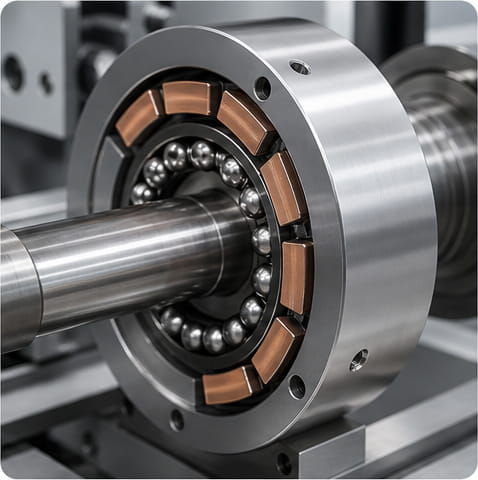
These provide frictionless support in demanding industrial environments, ensuring smooth and stable operation.
The common thread here? Strength and reliability. When you need a magnet that just works in tough conditions, neodymium is the answer.
6. DIY, Hobbies, and Everyday Gadgets
Not every use is industrial or high-tech. Some are just plain fun.
Here are a few of my favorites:
Magnet Fishing

People use powerful neodymium magnets on ropes to recover lost ferrous objects from lakes and rivers. (It’s weirdly addictive.)
Crafting and Prototyping
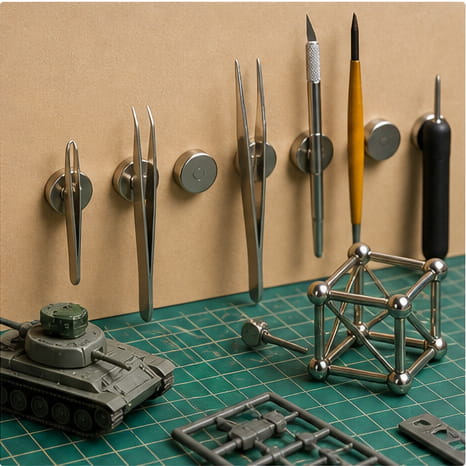
Great for scale modeling, physics experiments, and DIY tool organization boards.
Magnetic Clasps

Purses, jewelry, folders, and clothing all use sew-in or embedded neodymium magnets for those satisfying snap closures.
Magnetic Doorstops

That hold doors open until you pull them away.
Cabinet Catches

In your kitchen cupboards.
Sound familiar? These little magnets are quietly making your everyday life more convenient.
A Quick Word on Choosing the Right Magnet
Here’s something most people don’t realize:
Not all neodymium magnets are the same.
They come in different grades—from N35 all the way up to N55. The number tells you the magnet’s strength (higher = stronger), while letter suffixes like H, SH, UH, and EH tell you its temperature resistance.
Why does this matter?
Because neodymium has one big weakness: heat.
Standard grades start losing magnetic power at temperatures above 80°C (176°F). If your application runs hot—think EV motors or industrial machinery—you’ll need a high-temperature grade like SH or UH that can handle up to 180°C or more.
The other weakness? Corrosion.
Neodymium magnets aren’t waterproof and will rust if left exposed. That’s why they’re almost always coated with nickel, zinc, copper, or epoxy resin.
Pro Tip: If you have a nickel allergy, avoid nickel-coated magnets and opt for an epoxy or zinc coating instead.
A Safety Reminder Before You Buy
I’d be doing you a disservice if I didn’t mention this.
Neodymium magnets are strong. Dangerously strong.
A few quick warnings:
- They can snap together with enough force to pinch skin or even break fingers.
- They’re brittle and can shatter into sharp fragments on impact. (Wear eye protection.)
- They can wipe credit cards, corrupt hard drives, and damage electronics.
- They are absolutely not toys. If swallowed, multiple magnets can attract through intestinal walls and cause life-threatening injuries—especially in children.
So respect their power. Handle them with care.
The Bottom Line
So, what are neodymium magnets used for?
Just about everything.
From the speakers in your headphones to the motors in electric cars… from MRI machines saving lives to wind turbines powering the grid… these compact powerhouses have quietly become one of the most important materials of the modern age.
And as we push toward cleaner energy and smaller, smarter technology in 2026 and beyond, their role is only going to grow.
The next time you pick up your phone or drive past a wind farm, you’ll know the secret behind it all: a tiny, incredibly powerful neodymium magnet doing the heavy lifting.
Pretty cool, right?