Quick Summary:
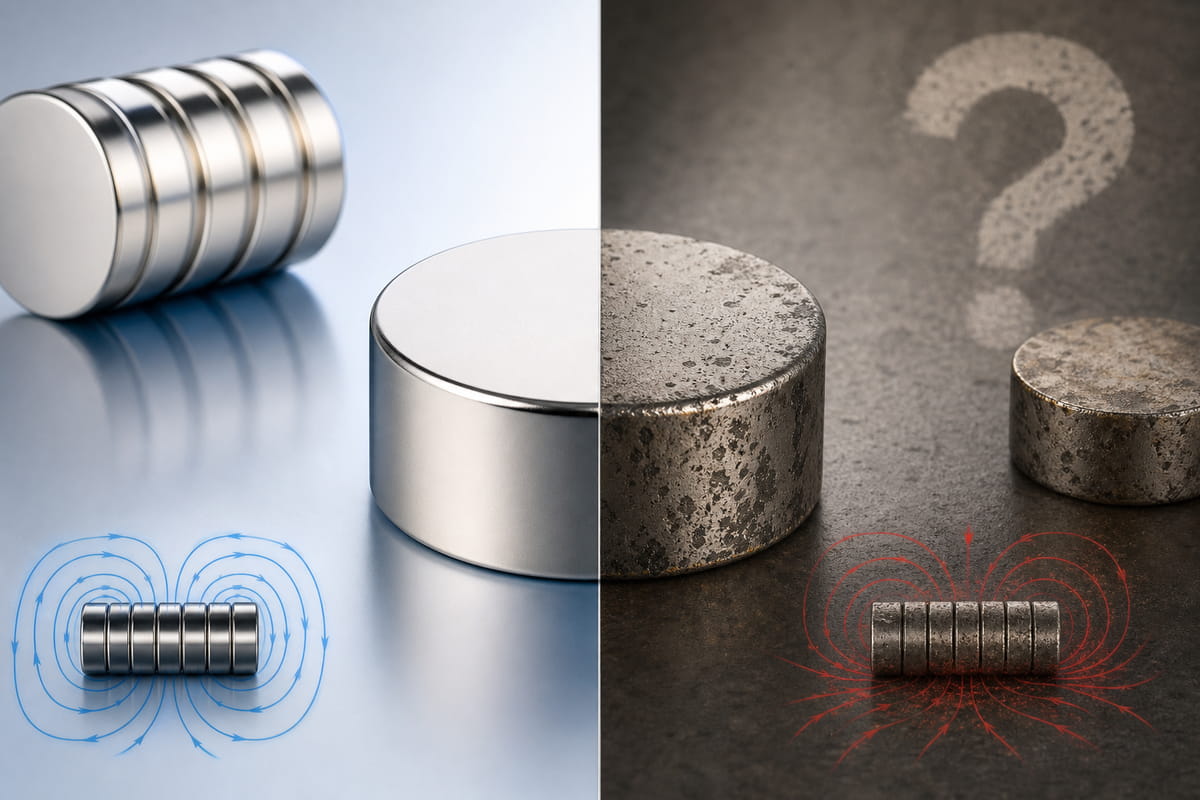
N40 bar magnets are rare‑earth neodymium magnets with a maximum energy product of 40 MGOe – stronger than N35 but cheaper than N52.
- Major risks: They are extremely brittle (can chip or shatter if handled carelessly) and lose magnetism permanently above 80°C (176°F).
- Best use: Heavy‑duty latches, magnetic stirrers, industrial fixturing, and DIY projects where you need reliable holding power without paying a premium.
- Recommendation: For most applications, N40 offers the best balance of strength, cost, and practicality – just keep them cool and handle with care.
Most people don’t realize that not all magnets are created equal. The difference between a cheap magnet and a professional-grade one comes down to a few key specs.
And the N40 bar magnet sits in a sweet spot between performance and price.
In this article, as a professional custom N40 magnets manufacturer, let me explain what are n40 bar magnets, how they compare to other options, and whether they’re the right choice for your project.
Sound good?
Let’s dive in.
The Magic Behind the “N40” Grade
First, a quick reality check.
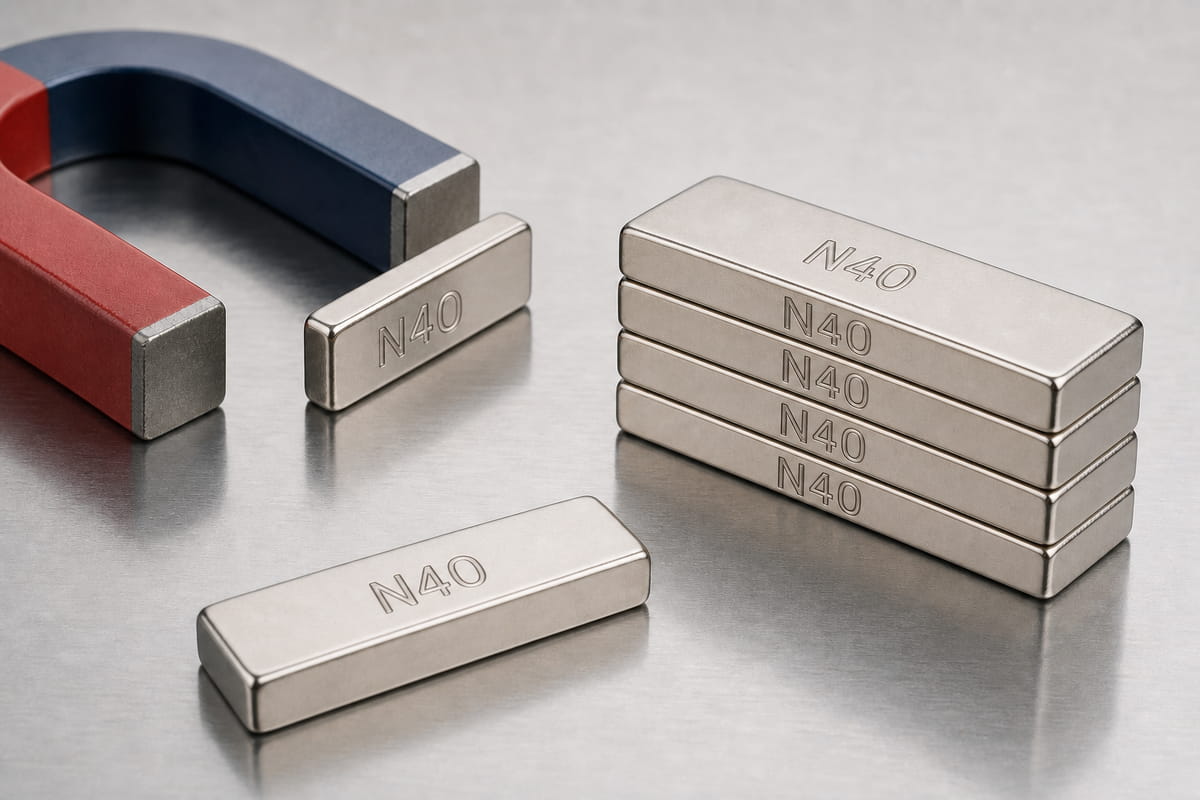
The “N40” refers to the maximum energy product of the magnet: “N” stands for Neodymium, and the “40” represents the magnet’s energy product in MGOe (Mega-Gauss Oersteds). So N40 means 40 MGOe.
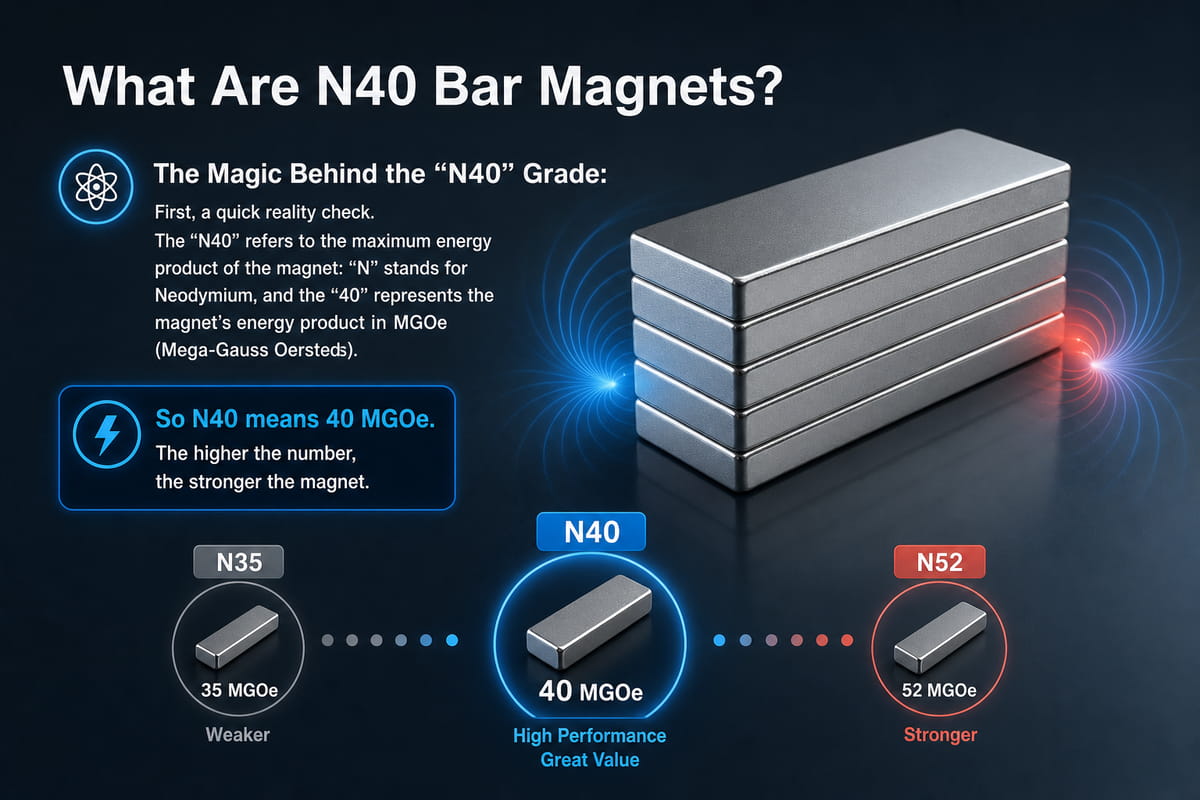
The higher the number, the stronger the magnet.
N35? Weaker. N52? Stronger. N40 sits right in the middle — a high-performance option without the premium price tag.
A Quick Data-Driven Breakdown
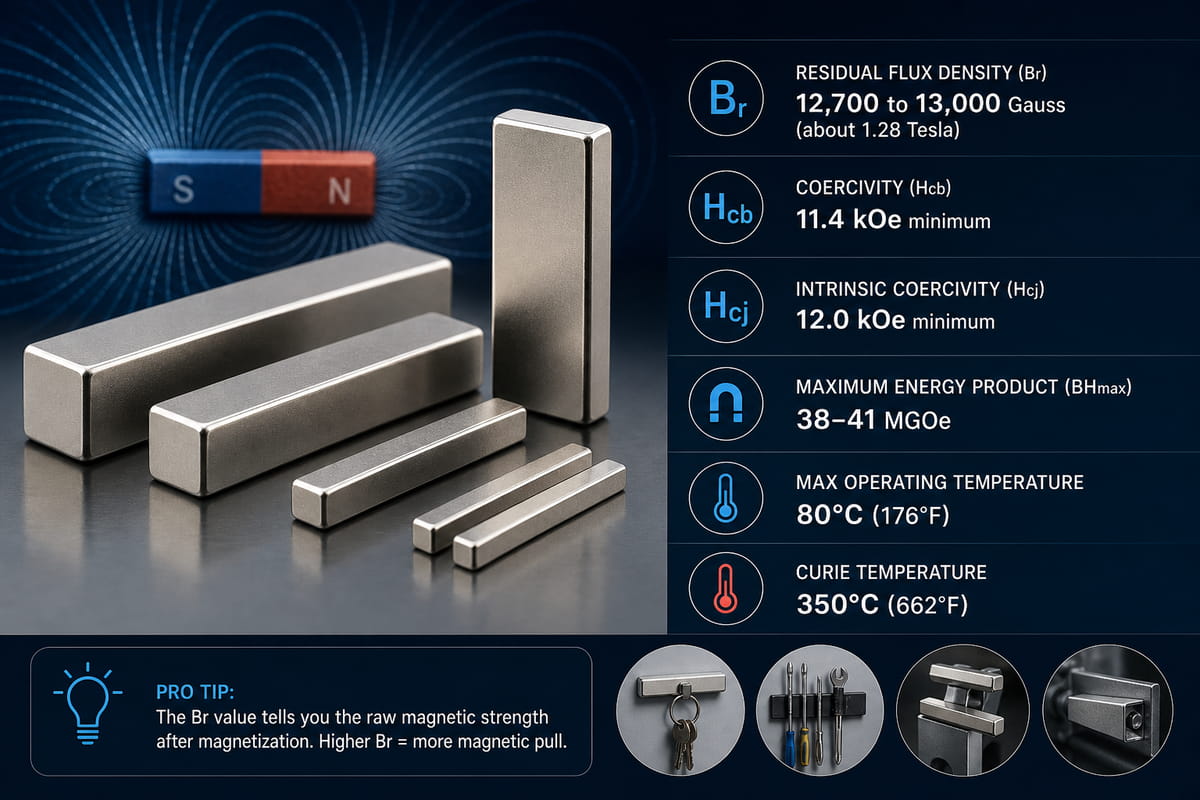
Let’s get specific. Here’s what N40 bar magnets bring to the table:
- Residual Flux Density (Br): 12,700 to 13,000 Gauss (about 1.28 Tesla)
- Coercivity (Hcb): 11.4 kOe minimum
- Intrinsic Coercivity (Hcj): 12.0 kOe minimum
- Maximum Energy Product (BHmax): 38-41 MGOe
- Max Operating Temperature: 80°C (176°F)
- Curie Temperature: 350°C (662°F)
Pro Tip: The Br value tells you the raw magnetic strength after magnetization. Higher Br = more magnetic pull.
Why “40” Matters More Than You Think
Here’s the deal:
A lot of people assume that any neodymium magnet is strong enough. And yes, all neodymium magnets are impressive compared to old-school ferrite magnets.
But the grade determines how much power you get per square inch.
An N40 bar magnet is significantly stronger than an N35 of the same size. And it’s cheaper than N45 or N52.
The bottom line? N40 is the Goldilocks grade. Not too weak. Not overpriced. Just right for most real-world applications.
Comparing N40 to Other Magnet Grades
You might be wondering: “Should I go with N40 or something else?”
Great question.
Let’s break it down.
N40 vs. N35
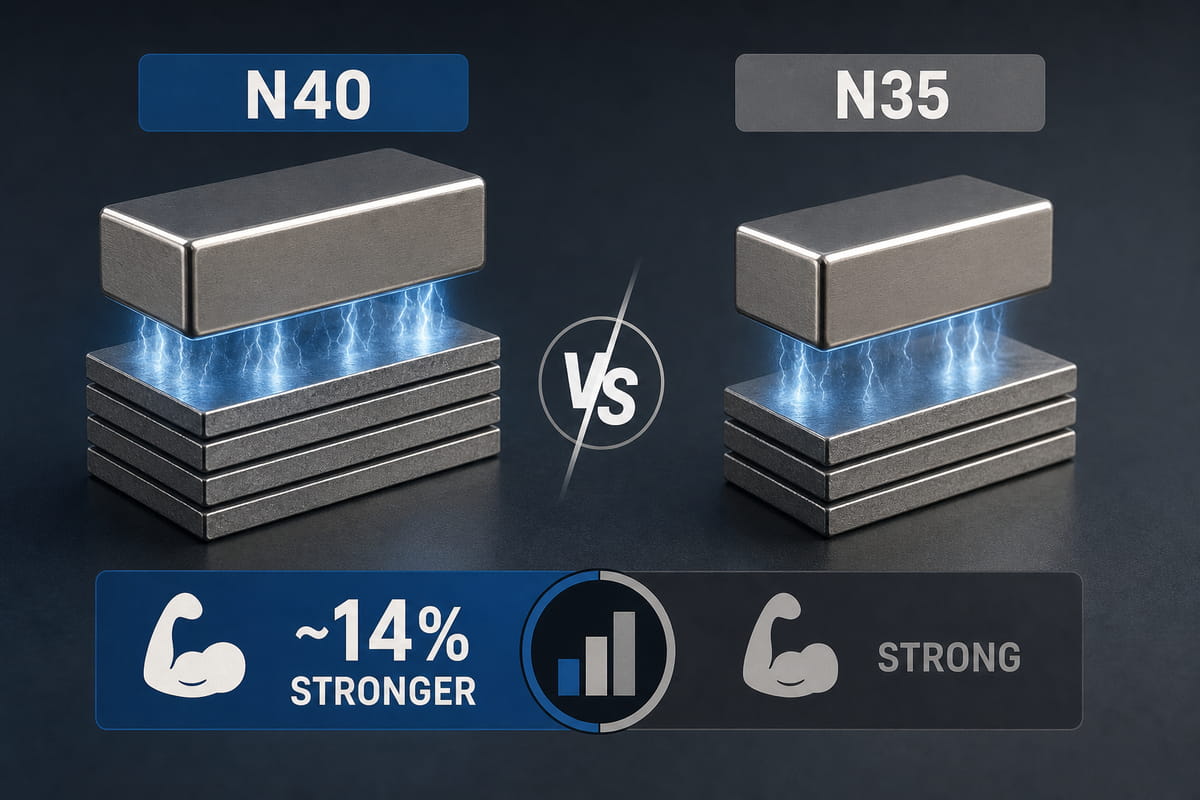
N35 is the entry-level neodymium grade. It’s common. It’s cheap. And it works.
But here’s the thing:
An N40 bar magnet is about 14% stronger than an N35 of the exact same dimensions.
And the price difference? Minimal.
So if you need holding power, N40 is the smarter investment.
N40 vs. N42
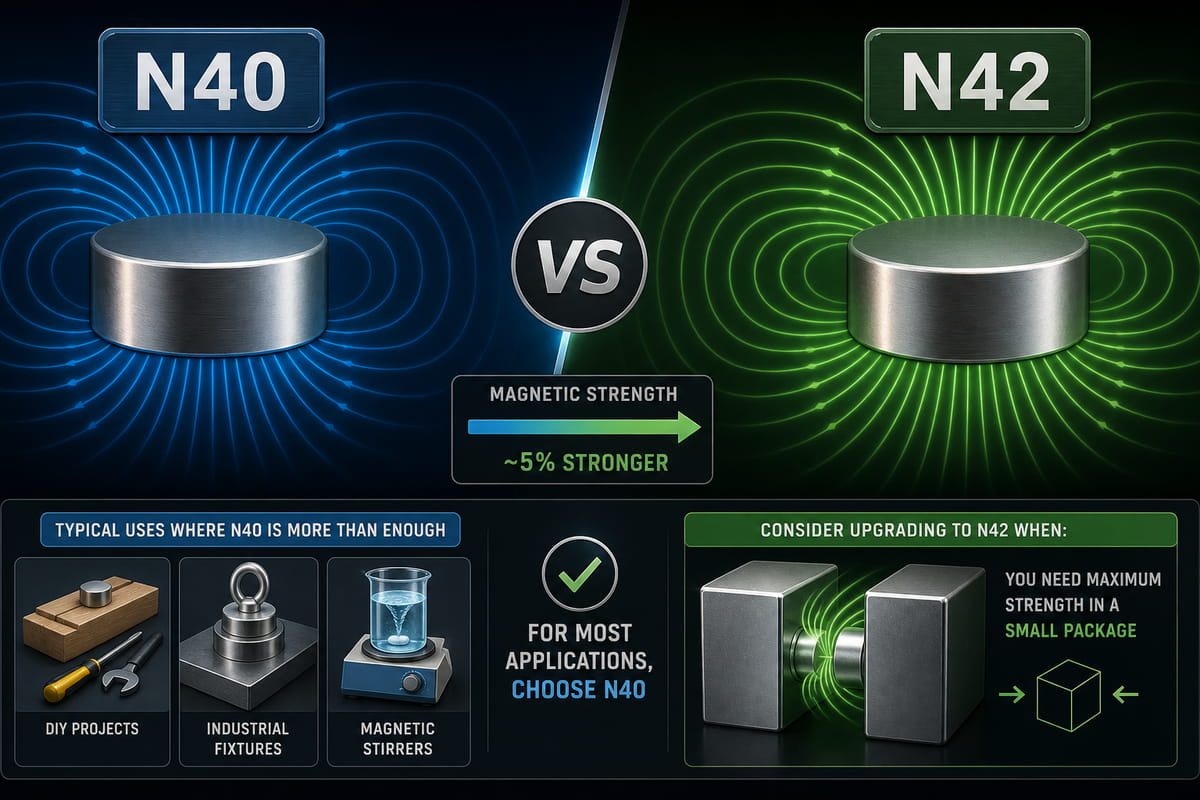
N42 is the next step up. It gives you about 5% more magnetic strength than N40.
But is the extra cost worth it?
In most cases, no. For typical DIY projects, industrial fixtures, or magnetic stirrers, N40 provides more than enough power.
However, if you’re building something space-constrained and need maximum strength in a small package, N42 might be worth the upgrade.
N40 vs. N52
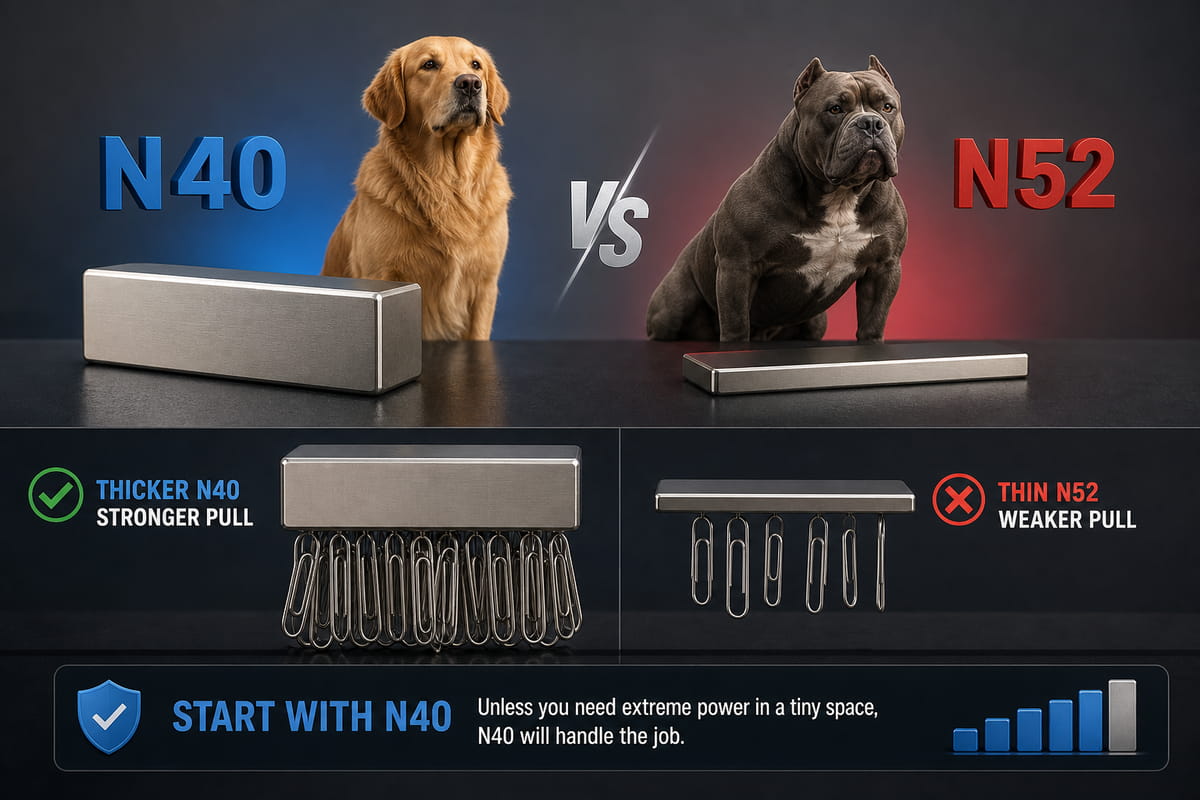
N52 is the big dog. The strongest commercially available grade.
But here’s a secret:
The difference between N40 and N52 in terms of real-world holding power is noticeable… but not as dramatic as you’d think.
Why?
Because magnet strength isn’t just about grade. Size matters. A lot.
For example, an N40 bar magnet that’s thicker will outperform a thin N52 magnet every single time.
The Real-Life Takeaway:
If you’re choosing between grades, start with N40. Unless you have a specific need for extreme power in a tiny space, N40 will handle the job.
The Downsides of N40 Bar Magnets
Okay, I’ve been singing the praises of N40 bar magnets. But I’d be doing you a disservice if I didn’t mention the downsides.
Here are the things you absolutely need to know before buying.
They’re Brittle (Here’s the Deal)
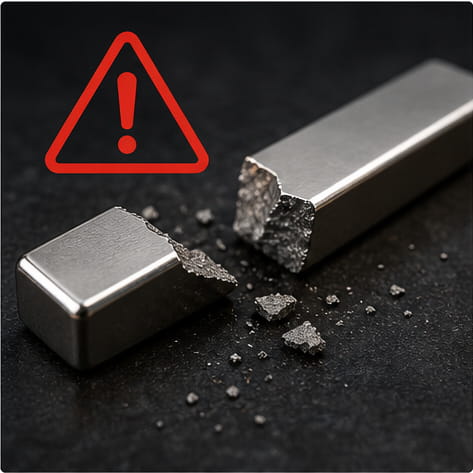
Despite looking like solid metal, N40 bar magnets are extremely brittle.
They’re made from pressed, sintered powder. Drop one on a hard surface? It could chip. Let two magnets snap together with too much force? They can shatter.
In my experience, I’ve seen people lose fingers (okay, not literally) because they underestimated how fragile these magnets really are.
Pro Tip: Always handle N40 bar magnets with care. Use separators when storing them. And never let them slam together.
Temperature Limits Matter
This is a big one.
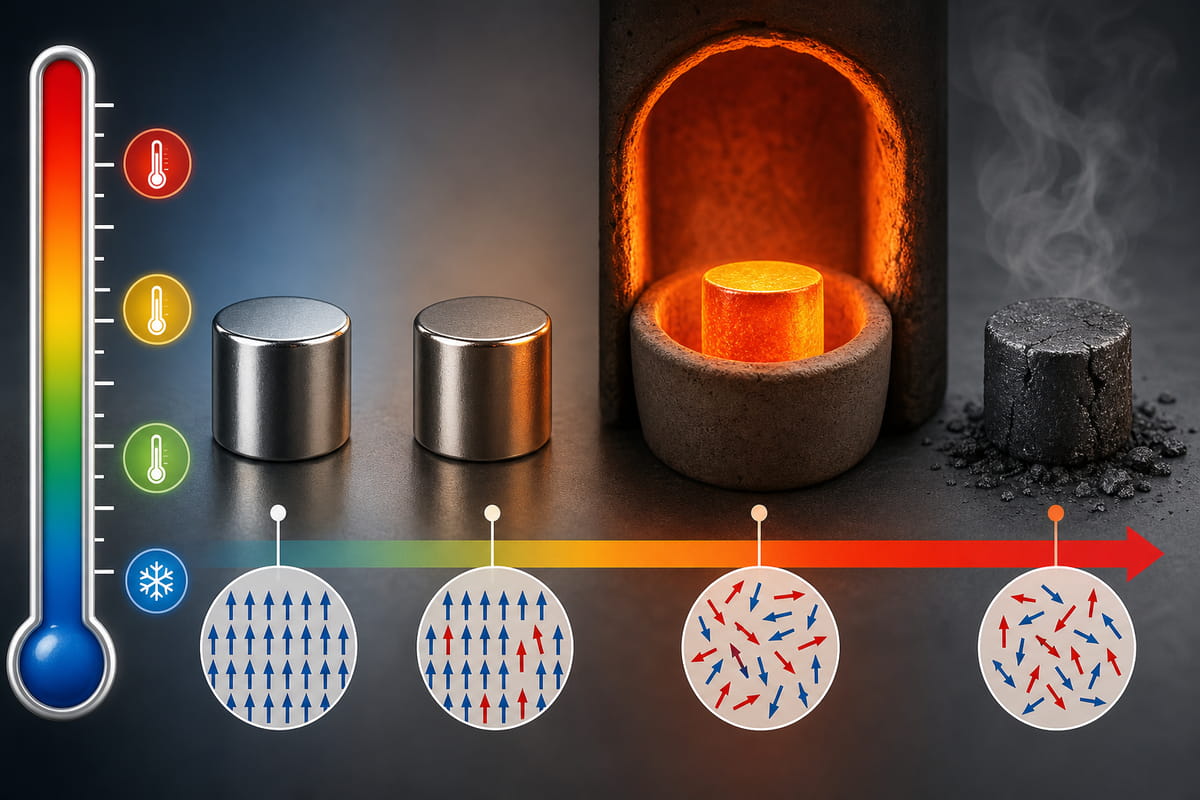
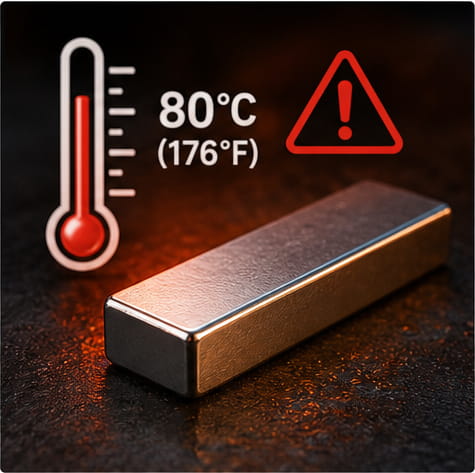
N40 bar magnets have a maximum operating temperature of 80°C (176°F) .
Expose them to higher temperatures, even briefly, and they start to lose their magnetic properties. Permanently.
So if you’re using these in an engine bay, near a heat source, or in a hot workshop… you need a different grade.
You can get N40M, N40H, N40SH, or N40UH grades that handle higher temps (up to 180°C or 230°C). But standard N40? Keep it cool.
That Nickel Coating Isn’t Just for Looks
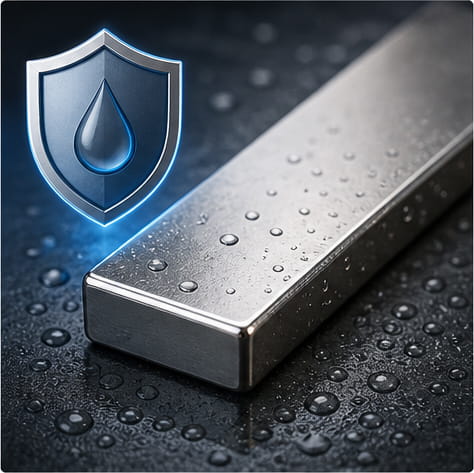
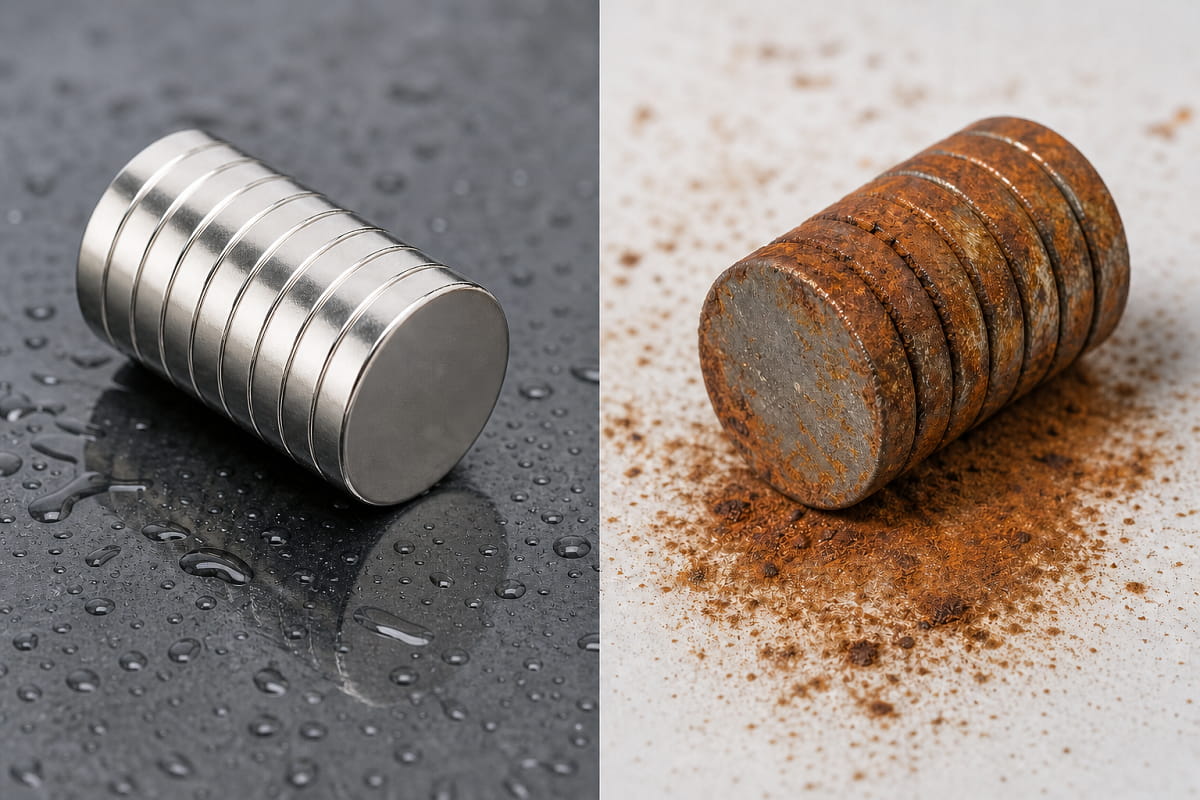
Raw neodymium corrodes. Fast.
That’s why N40 bar magnets come with a triple-layer coating of nickel-copper-nickel (Ni-Cu-Ni).
This coating does three things:
- 1. Prevents rust and oxidation – Without it, your magnet would turn to dust in humid conditions.
- 2. Reduces friction – Makes the magnets easier to handle and slide against surfaces.
- 3. Improves durability – Adds a layer of impact protection against chipping.
Some magnets use cheaper coatings like zinc or epoxy. They work. But nickel is the gold standard.
Uses of N40 Bar Magnet (Real Applications)
Now let’s talk about practical use cases.
Because theory is great. But you want to know where these magnets shine in the real world.
Magnetic Stirrers (The Classic Use)
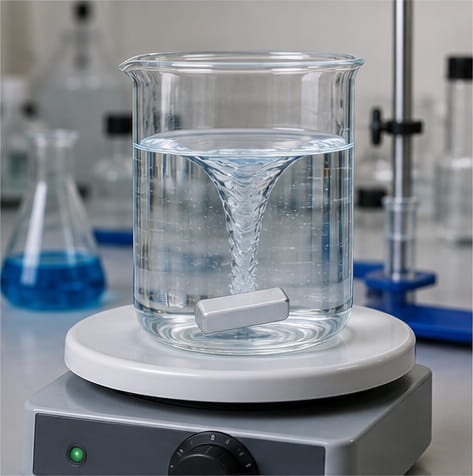
If you’ve ever worked in a lab, you’ve seen magnetic stirrers in action.
An N40 bar magnet sits inside a container. A rotating magnetic field below spins the magnet, which stirs the liquid.
The key here is strength. The stir bar needs enough magnetic force to stay coupled with the rotating field. N40 provides that power reliably.
Heavy-Duty Latches
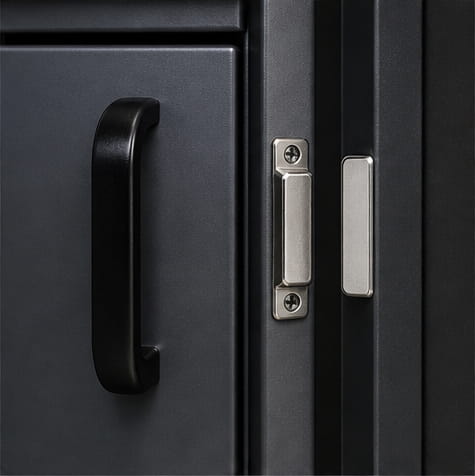
Forget those weak magnetic cabinet closures you find at hardware stores.
An N40 bar magnet can hold cabinet doors shut with serious force. We’re talking enough pull to keep heavy drawers closed on RVs, toolboxes, or industrial cabinets.
I recently used one for a custom workshop cabinet latch. Works like a charm.
DIY Projects and Fixturing
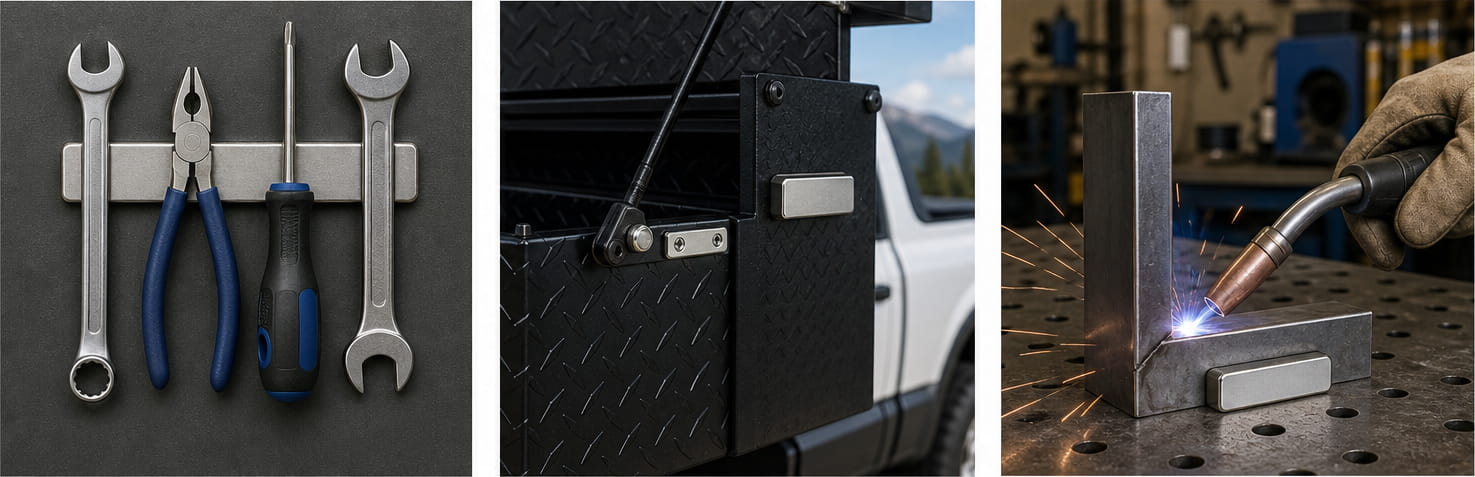
Here’s where N40 bar magnets really shine:
- Holding metal parts while welding or gluing
- Mounting tools on steel surfaces
- Creating temporary fixtures for woodworking
- Securing items in vehicles or on metal racks
Because they’re rectangular, bar magnets offer a flat contact surface. That means better grip than round magnets in many applications.
Industrial & Lab Applications
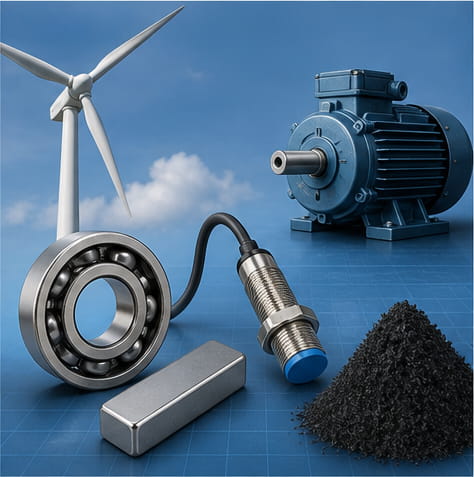
- Electric motors
- Sensor assemblies
- Magnetic separation
- Wind turbines (small-scale)
- Magnetic bearings
N40 magnets are also used in magnetic jewelry clasps and toy construction sets. So they’re versatile enough for both heavy-duty and delicate applications.
How to Choose the Right N40 Bar Magnet for Your Project
You’ve decided N40 is the right grade. Now what?
Here’s a simple framework:
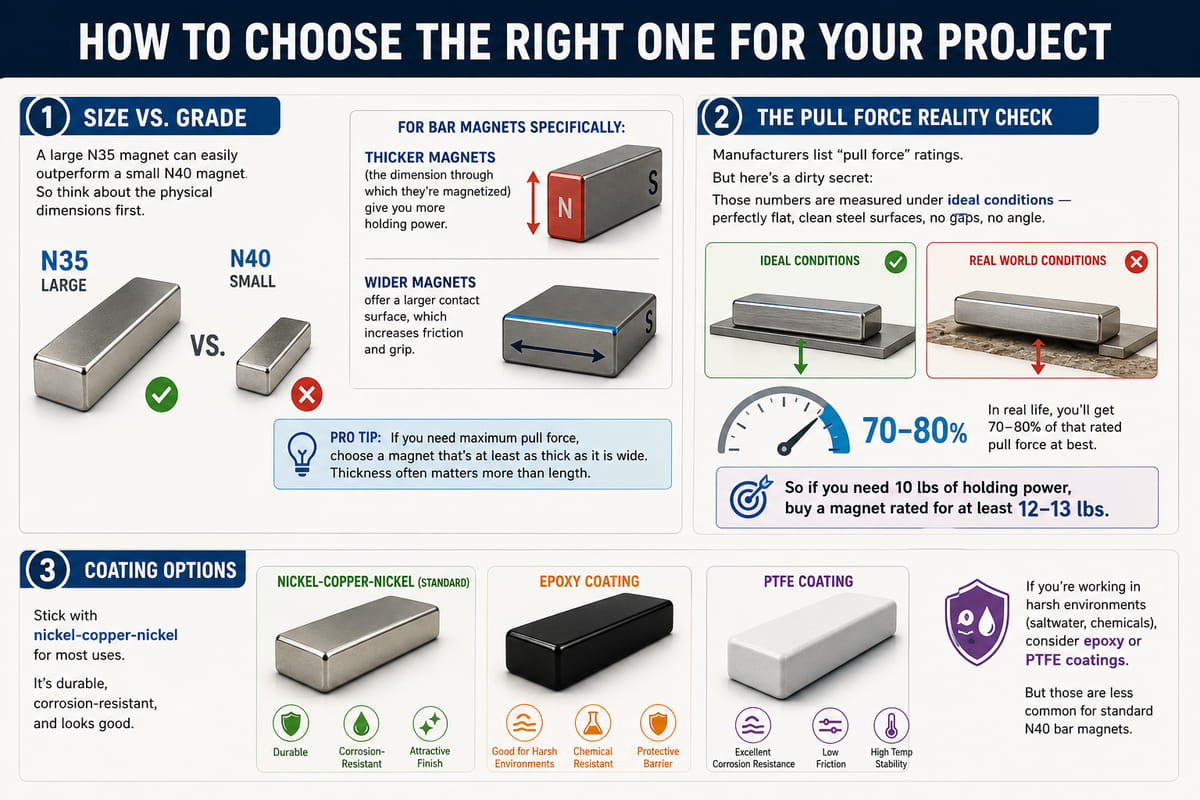
Size vs. Grade
Remember: grade isn’t everything.
A large N35 magnet can easily outperform a small N40 magnet. So think about the physical dimensions first.
For bar magnets specifically:
- Thicker magnets (the dimension through which they’re magnetized) give you more holding power.
- Wider magnets offer a larger contact surface, which increases friction and grip.
Pro Tip: If you need maximum pull force, choose a magnet that’s at least as thick as it is wide. Thickness often matters more than length.
The Pull Force Reality Check
Manufacturers list “pull force” ratings.
But here’s a dirty secret:
Those numbers are measured under ideal conditions — perfectly flat, clean steel surfaces, no gaps, no angle.
In real life, you’ll get 70-80% of that rated pull force at best.
So if you need 10 lbs of holding power, buy a magnet rated for at least 12-13 lbs.
Coating Options
Stick with nickel-copper-nickel for most uses. It’s durable, corrosion-resistant, and looks good.
If you’re working in harsh environments (saltwater, chemicals), consider epoxy or PTFE coatings. But those are less common for standard N40 bar magnets.
Final Thoughts
So there you have it.
N40 bar magnets are a fantastic choice for anyone who needs strong, reliable magnetic power without breaking the bank.
They’re stronger than entry-level N35 magnets. They’re more affordable than premium N52 magnets. And they handle most real-world applications with ease.
Just remember:
- Handle them carefully (they’re brittle)
- Keep them cool (under 80°C)
- Go with nickel coating when possible
Whether you’re building a magnetic stirrer, upgrading cabinet latches, or creating a custom fixture for your workshop… the N40 bar magnet is a solid, proven option.
That’s the scoop on what are n40 bar magnets.
Now go find the right size for your project. And happy building.